
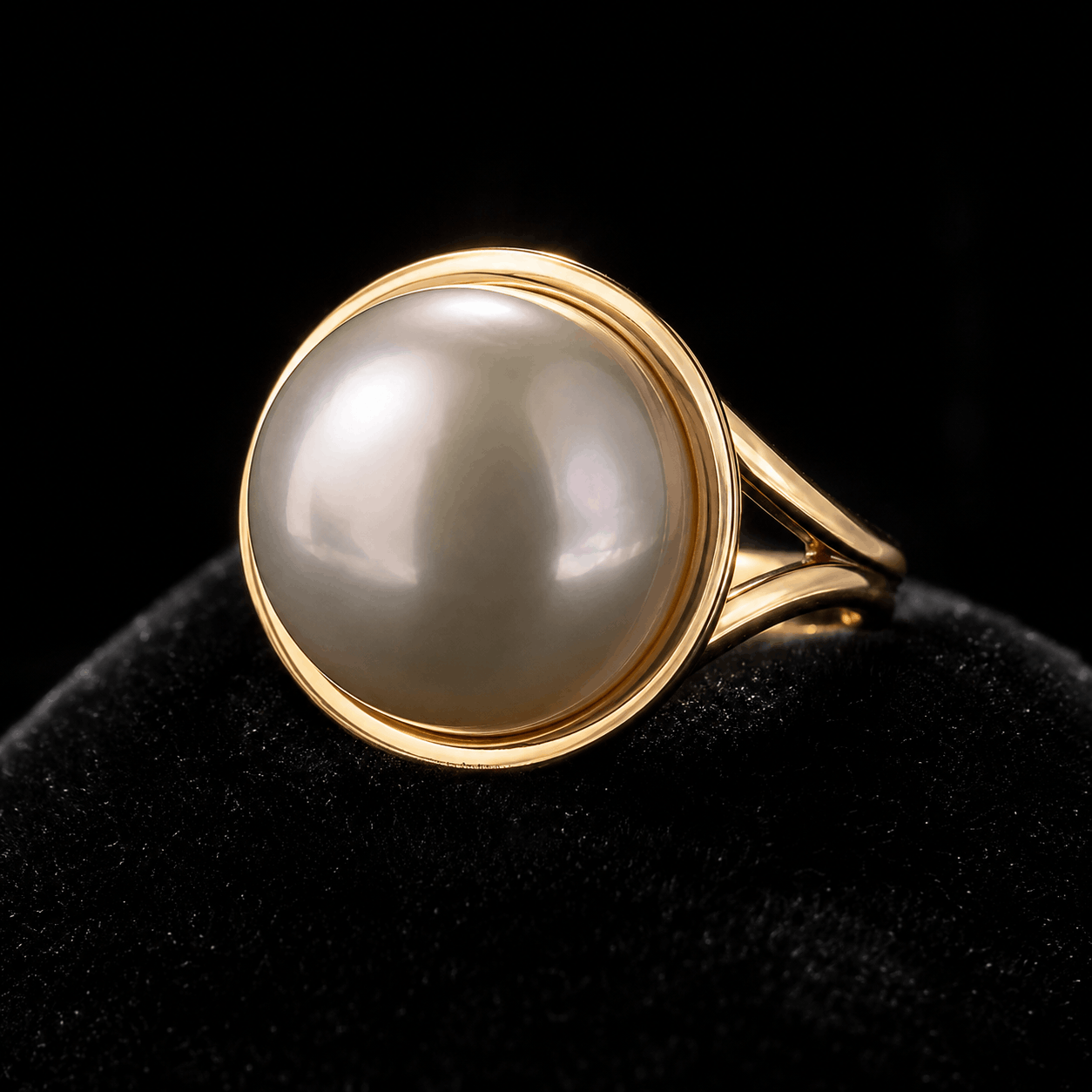
Someone walked into a jewelry consultation I attended wearing a South Sea pearl ring on her right hand. Single pearl. Large. That deep satiny glow sitting in a simple gold bezel setting. Nobody in the room could stop looking at it. Not because it was flashy. Because it was the opposite of flashy — and somehow more arresting for it. South Sea pearl rings do that. They have a presence that most fine jewelry simply doesn’t. So here’s everything worth knowing before you buy one.
What Makes South Sea Pearl Rings So Special
South Sea pearl rings sit at the absolute top of the pearl jewelry market. And the reason is straightforward. The Pinctada maxima oyster — the only oyster that produces genuine South Sea pearls — grows the largest cultured pearls in the world. Sizes typically range from 9mm to 20mm. At those dimensions, a single pearl in a ring setting becomes genuinely architectural. It commands attention the way a statement gemstone does, but with a softness and organic warmth that no gemstone quite replicates.
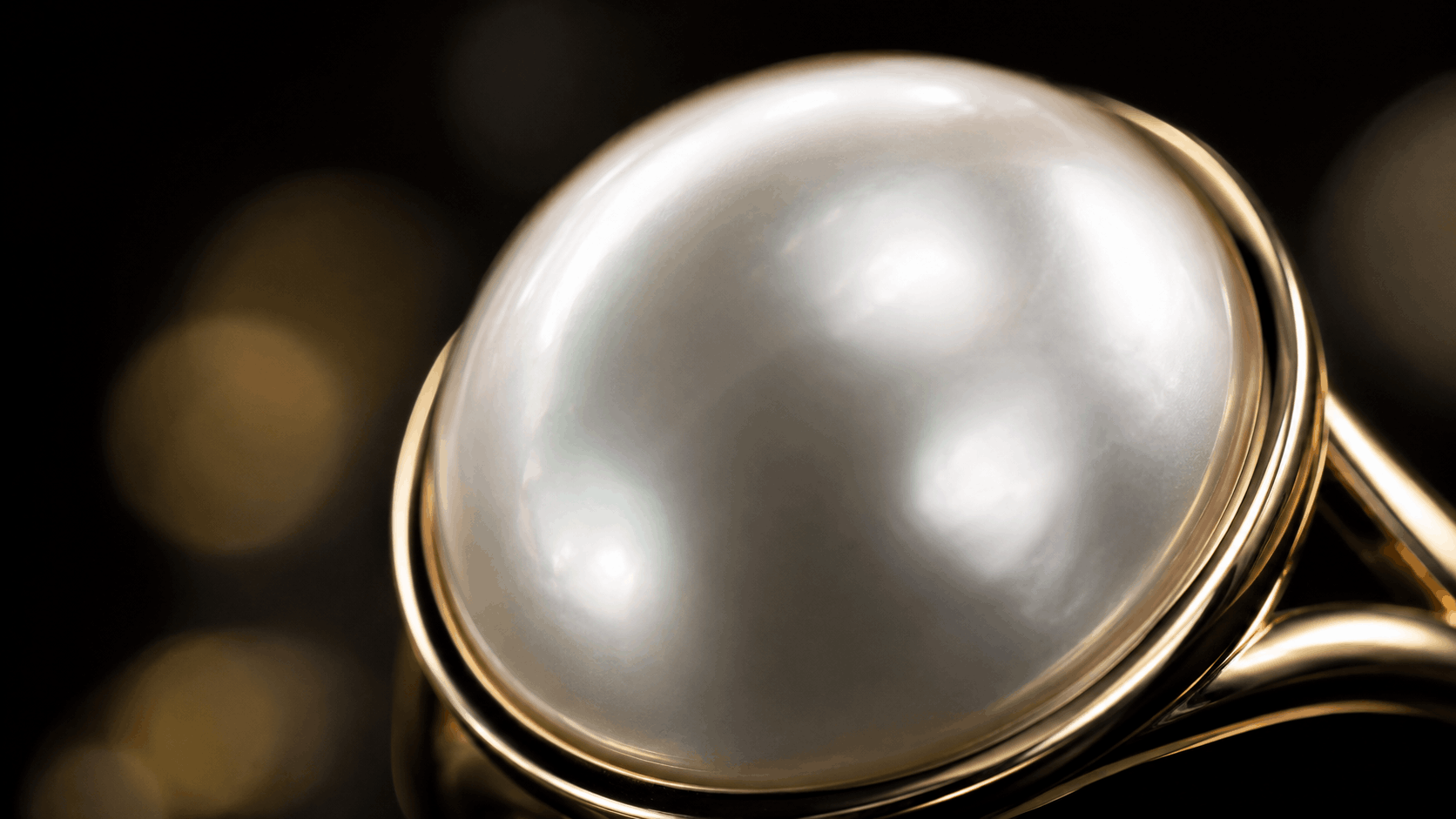
Then there’s the nacre. South Sea pearls have the thickest nacre of any cultured pearl type — often 2mm to 6mm of solid layered nacre coating the nucleus. That thickness produces the characteristic satiny luster that distinguishes South Sea pearl rings from everything else in the pearl ring category. Not mirror-sharp like Akoya. Not metallic. Satiny. Dimensional. Like the light is coming from inside the pearl rather than bouncing off it. Once you’ve seen that quality up close, everything else looks flat by comparison.
Styles Worth Knowing
The setting is everything with south sea pearl rings — because the pearl itself is so visually dominant, the metalwork frames rather than competes. So a few styles consistently work better than others.
Bezel settings — where the pearl sits inside a continuous metal rim — are the most classic and the most protective. Clean, architectural, timeless. The bezel holds the pearl securely and the continuous rim adds a subtle frame that reads as genuinely luxurious. Prong settings lift the pearl higher off the band and allow more light to interact with the nacre surface — good for showcasing exceptional luster. And pavé or halo settings with small diamonds or sapphires surrounding the pearl create a contrast between the soft organic glow of the South Sea pearl and the sharp brilliance of the surrounding stones that photographs extraordinarily well.
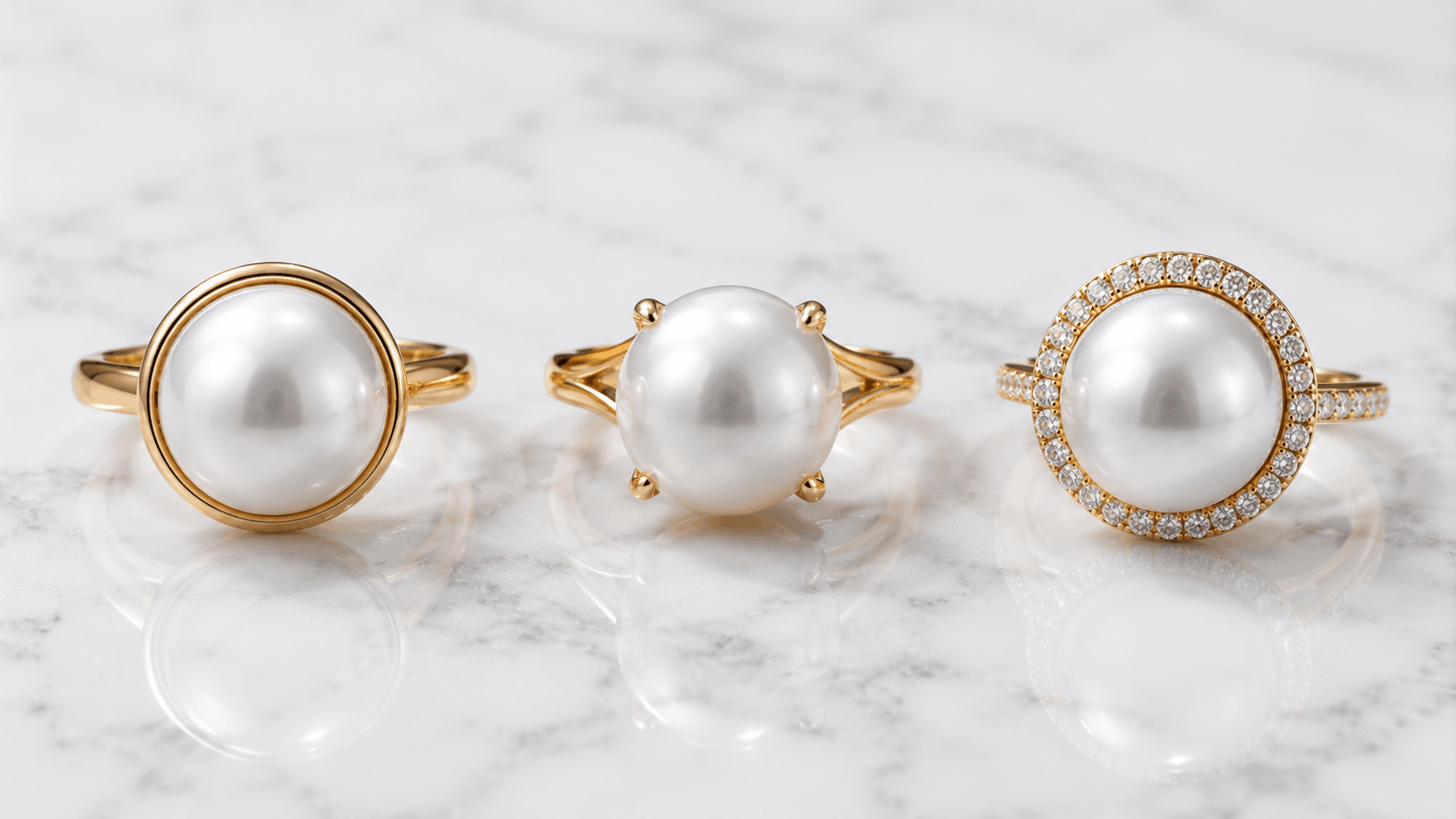
For metal choice — yellow gold is the warmest pairing with white South Sea pearls and the most classic. Rose gold adds a contemporary romantic quality. White gold and platinum keep things modern and sleek. And for golden South Sea pearl rings specifically, yellow gold is almost always the right call — the tonal warmth between the golden pearl and yellow gold is one of the most cohesive combinations in fine jewelry.
South Sea Pearl Rings as Engagement Rings
Not every bride wants a diamond. And honestly, a pearl engagement ring — particularly a South Sea pearl engagement ring — is one of the most distinctive and genuinely meaningful choices a person can make. Pearls have represented purity, wisdom and new beginnings across cultures for centuries. So as an engagement symbol, they carry real depth beyond the convention of diamonds.
A large round white South Sea pearl in a prong or bezel setting on a delicate gold band is a genuinely breathtaking engagement ring. Different from everything else at the table. Personal in a way that a standard diamond solitaire often isn’t. And the size of a quality South Sea pearl means there’s no question about presence — a 12mm or 13mm round South Sea pearl on a finger is a statement that speaks for itself.
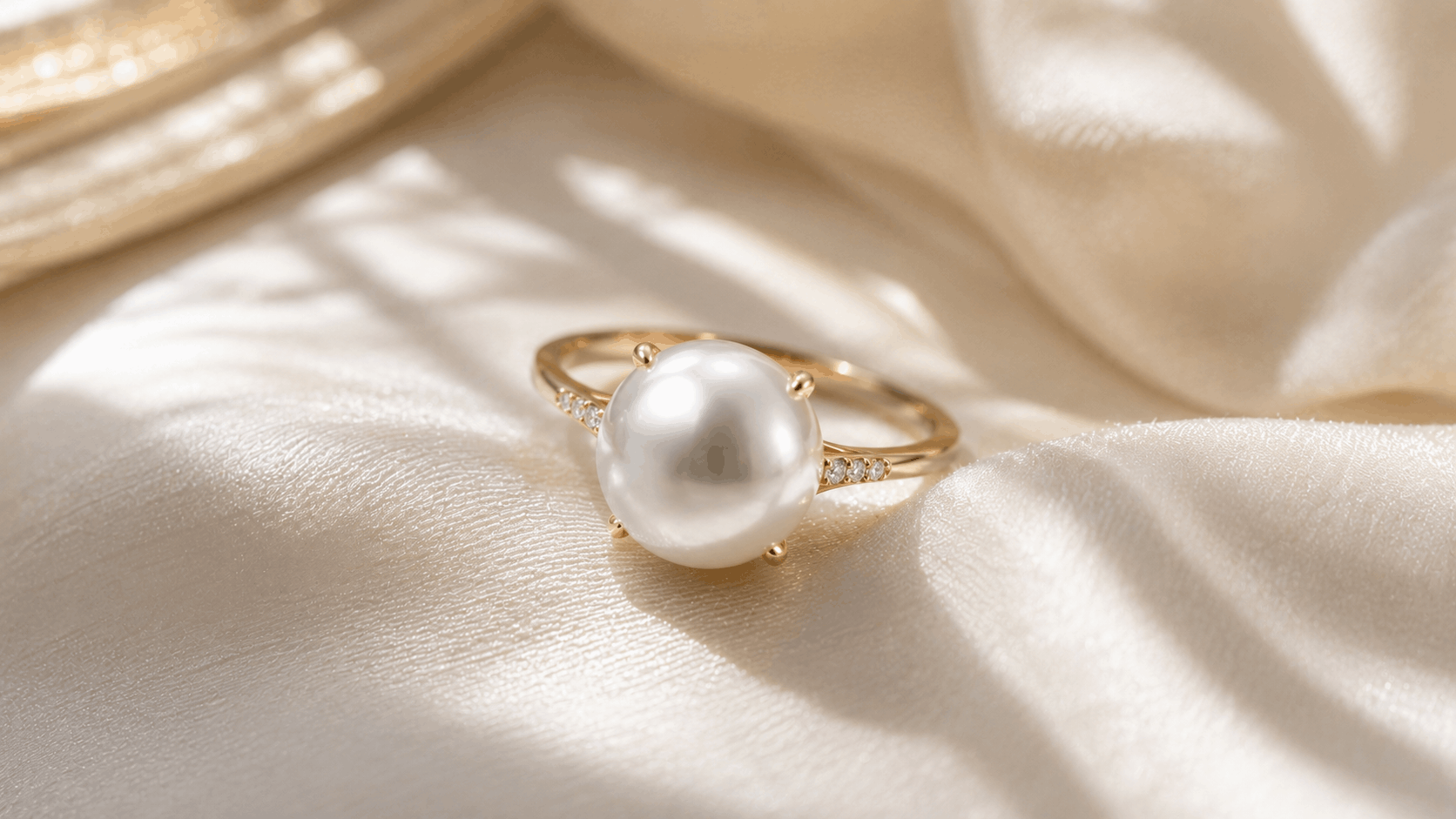
The practical consideration: pearls are softer than diamonds on the Mohs scale — rating around 2.5 to 4.5 versus diamond’s 10. So a pearl engagement ring worn daily needs a protective setting. A bezel or a low prong setting that shields the pearl from side impact is strongly recommended over exposed high-prong settings. With the right setting and basic care, a South Sea pearl engagement ring lasts for decades beautifully.
White vs Golden — Two Very Different Characters
Both are genuine South Sea pearls. But the color difference changes the whole character of the ring. White South Sea pearl rings — grown in silver-lipped Pinctada maxima oysters off northern Australia — come in bright white through silver and cream tones. Clean, classic, versatile. The white South Sea pearl ring is the safe choice in the best possible sense — it works with everything and never dates.
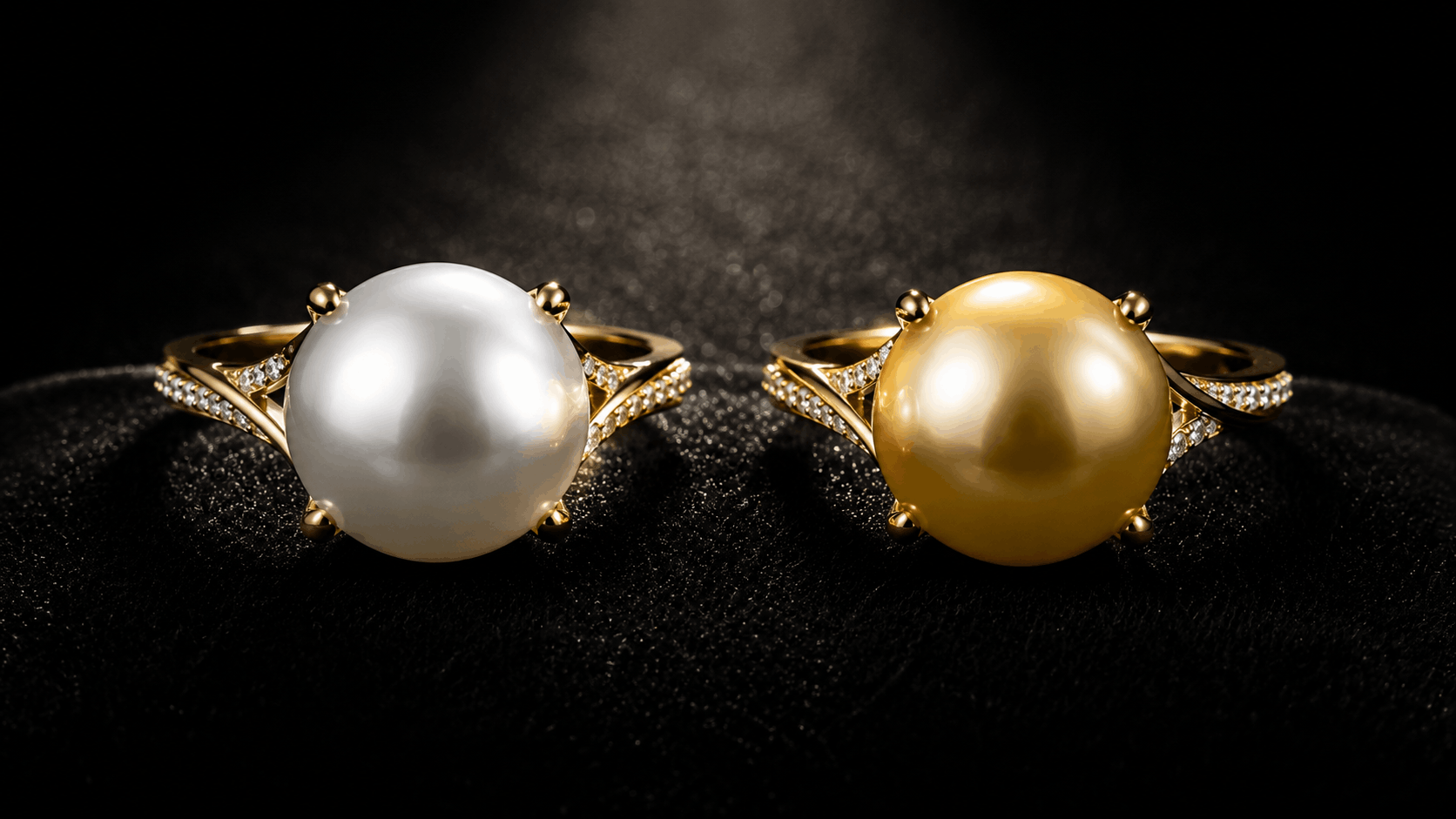
Golden South Sea pearl rings are something else entirely. That natural golden color — ranging from pale champagne through to deep canary yellow — comes directly from the gold-lipped oyster. No treatment. No enhancement. Just the oyster producing something genuinely rare. A deep golden South Sea pearl in a yellow gold setting is one of the most opulent combinations in fine jewelry. Warm, rich and unlike anything else available. If you want a pearl ring that genuinely stops people mid-sentence, a top-grade golden South Sea is that piece.
How to Choose the Right South Sea Pearl Ring
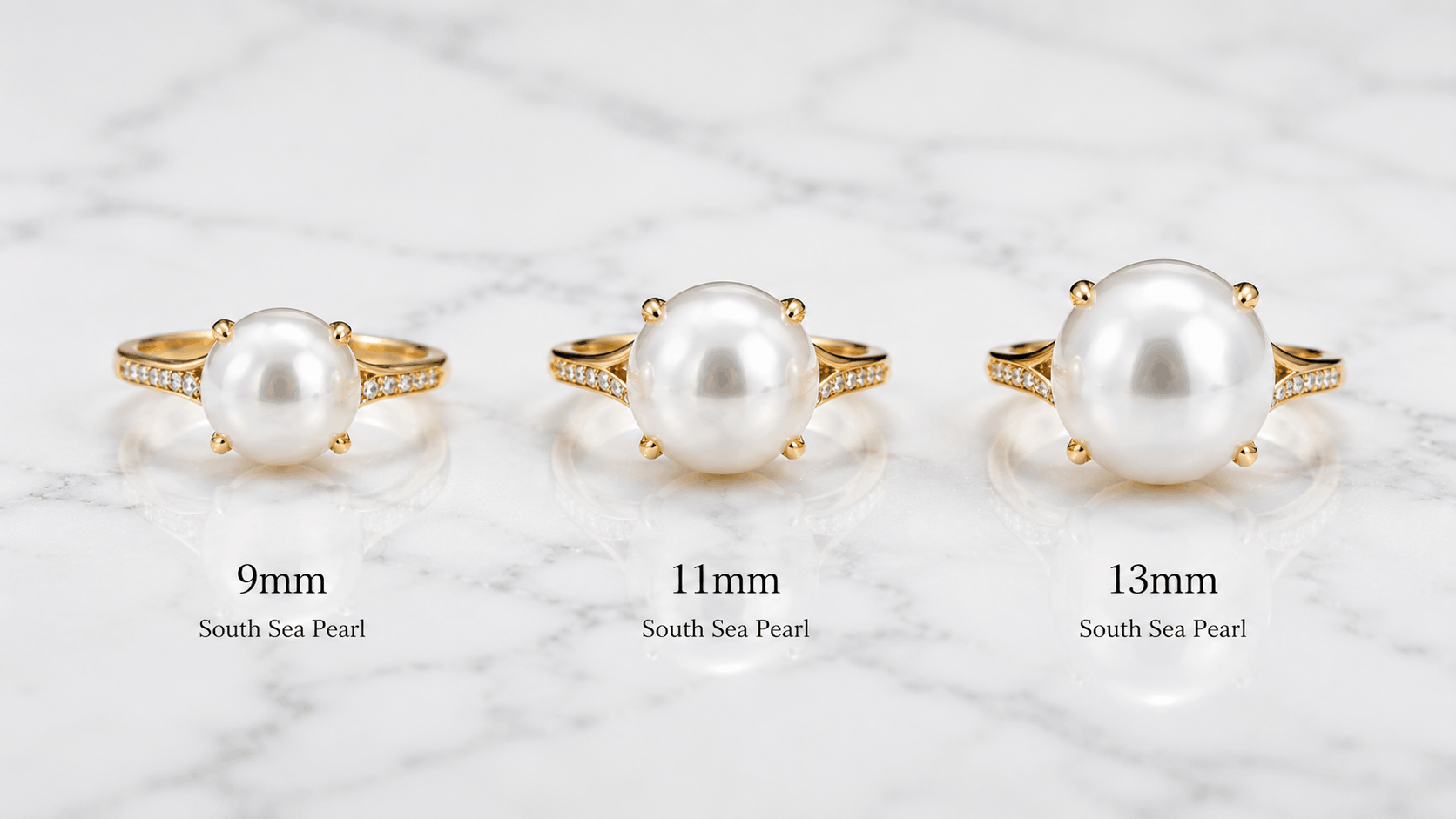
Size first. For a ring setting, 10mm to 13mm is the sweet spot for most wearers — large enough to make an impression without overwhelming the hand. Smaller South Sea pearls at 9mm to 10mm work beautifully for more delicate hands or for buyers who prefer a refined rather than statement look. Anything above 14mm in a ring setting is genuinely dramatic and best suited to buyers who specifically want that level of presence.
Grade next. For south sea pearl rings, AAA is the benchmark worth targeting — near-flawless surface, exceptional luster, strong shape consistency. AA grade is still genuinely beautiful and offers better value, but at South Sea prices the luster difference between AA and AAA is visible and worth the premium for a piece you’ll wear constantly. And always check the setting quality — the mount should be solid, the prongs or bezel should sit flush and the band gauge should feel substantial in the hand rather than thin and lightweight.
South Sea Pearl Rings for Every Occasion
The versatility of south sea pearl rings is genuinely underrated. Yes they work for formal occasions — galas, weddings, anniversary dinners. But a well-chosen South Sea pearl ring in a clean modern setting works just as well with everyday wear. A single large pearl on a thin gold band with a blazer and clean denim is one of those combinations that reads as effortlessly considered. No occasion required. Just confidence and the right piece.
For gifting — South Sea pearl rings work across a wide range of occasions. A pearl engagement ring for a bride who wants something different. A significant birthday gift for someone who already has everything. A milestone anniversary piece that replaces or complements a diamond. Or simply a self-purchase for someone who’s been building their fine jewelry collection thoughtfully over time and knows exactly what they want. South Sea pearl rings fit all of those moments without being over-specified for any one of them.
Caring for South Sea Pearl Rings
South Sea pearls are more robust than smaller pearl varieties — that thick nacre provides real durability. But a ring worn daily faces more contact and impact than a necklace or earrings. So care matters more here. The basics: put the ring on after applying lotion, perfume or hand sanitizer. Remove it before washing dishes, gardening or any activity involving prolonged water exposure or impact. And wipe the pearl gently with a soft damp cloth regularly — skin oils and residue build up on the nacre surface over time and dull the luster if left uncleaned.
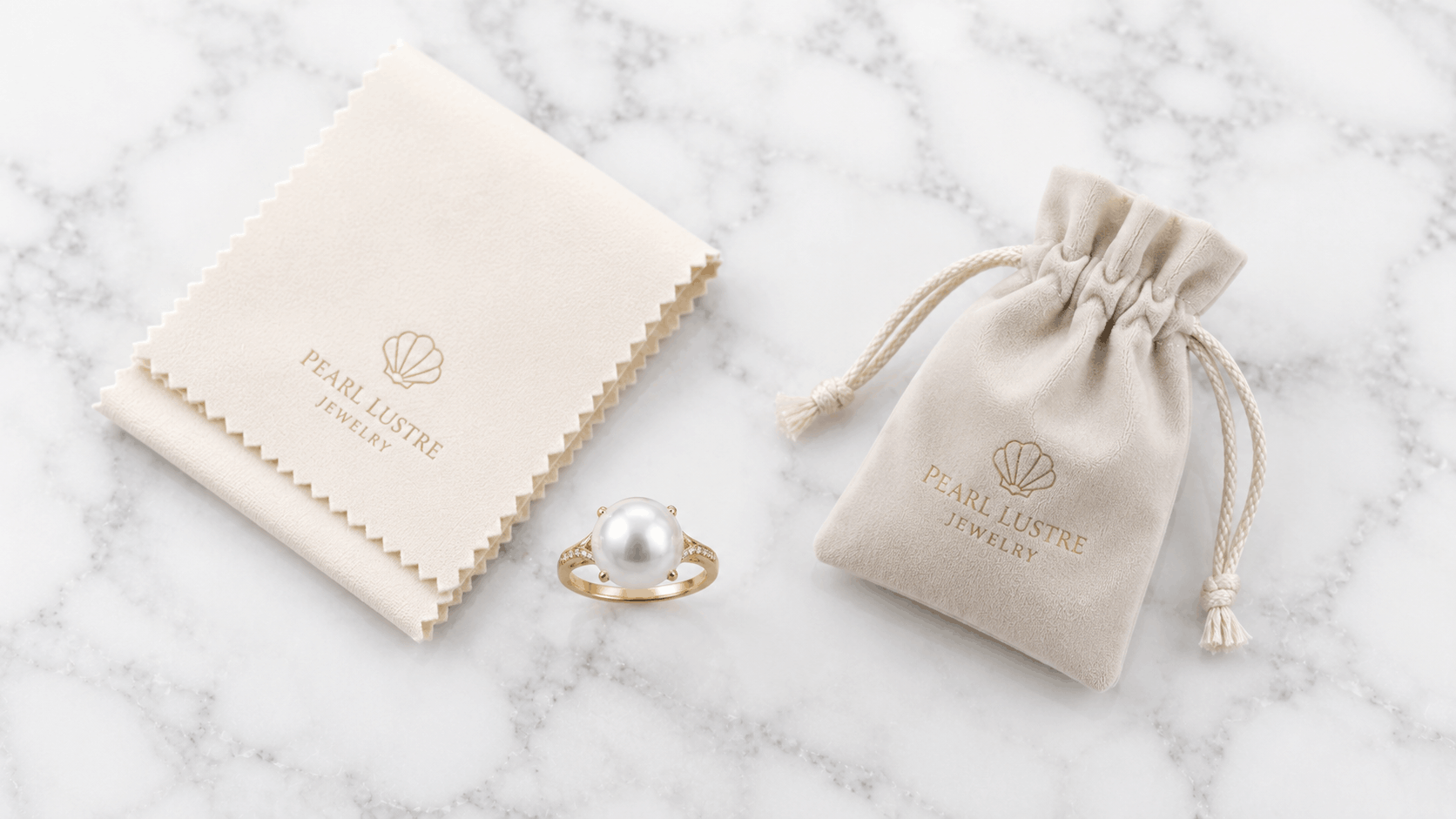
Store your South Sea pearl ring separately from harder jewelry. Diamonds and sapphires scratch nacre — even thick South Sea nacre — if they’re in direct contact during storage. A lined jewelry box with individual compartments or a soft pouch is all you need. And have the setting checked by a jeweller every year or two if worn daily — prongs and bezels can loosen with regular wear and catching it early prevents loss. Browse the full South Sea pearl collection at PearlsOnly and find the ring that genuinely justifies the investment.
