
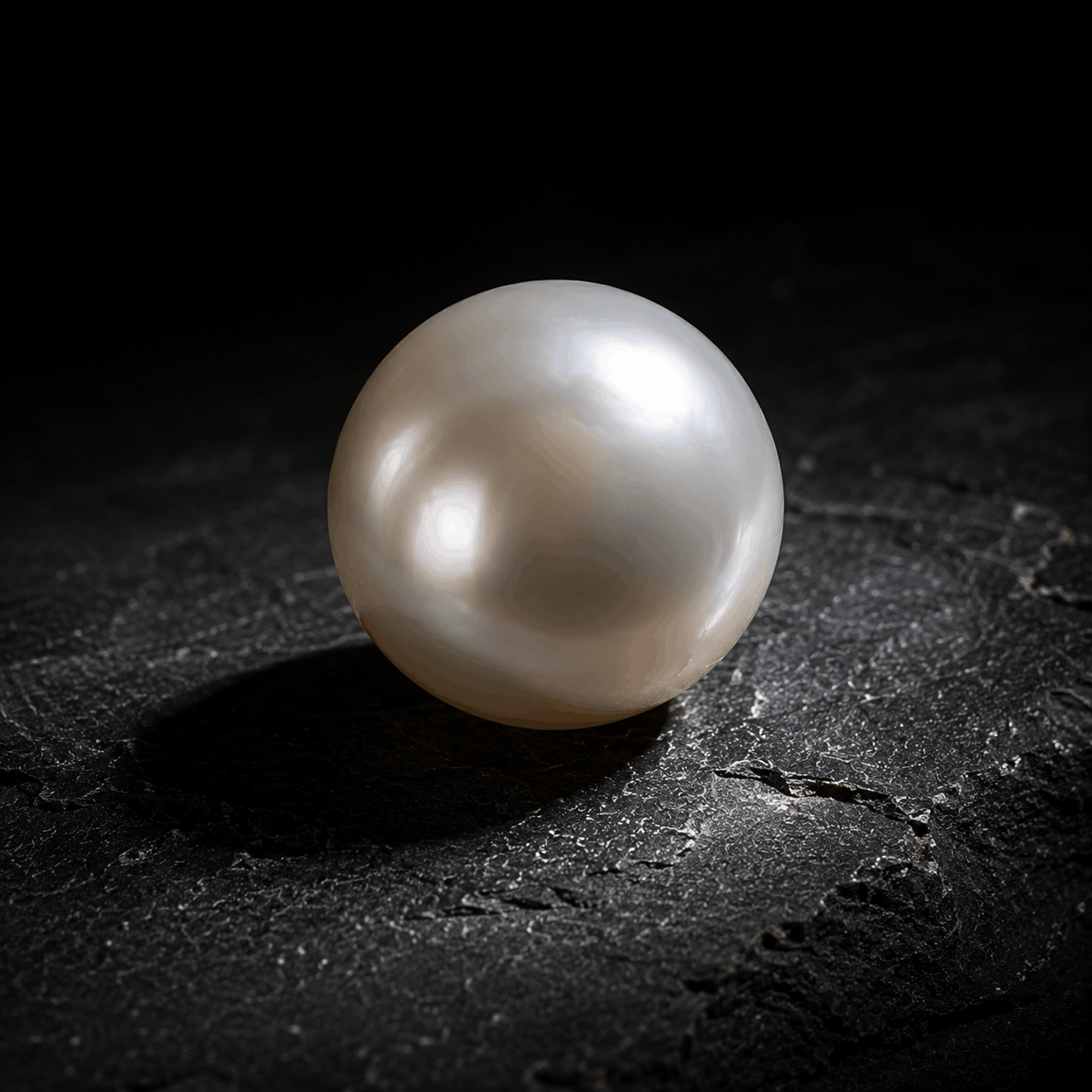
The first time I held a South Sea pearl I genuinely didn’t say anything for a few seconds. Just stood there. The size, the weight, that satiny deep luster that looks like light coming from inside the pearl rather than bouncing off it — nothing prepares you for it the first time. South Sea pearls are the largest, rarest and most luxurious cultured pearls in the world — and honestly, the most impressive thing you can put around your neck in fine jewelry. So here’s everything worth knowing before you buy one.
What Are South Sea Pearls
South Sea pearls are cultured in the Pinctada maxima oyster — the largest pearl-producing oyster in the world. Grown primarily in the warm waters of Australia, Indonesia and the Philippines. Each oyster produces just one pearl at a time. And the farming cycle runs two to four years per pearl. That combination of size, single-pearl production and long growing time is exactly why they sit at the top of the cultured pearl market.
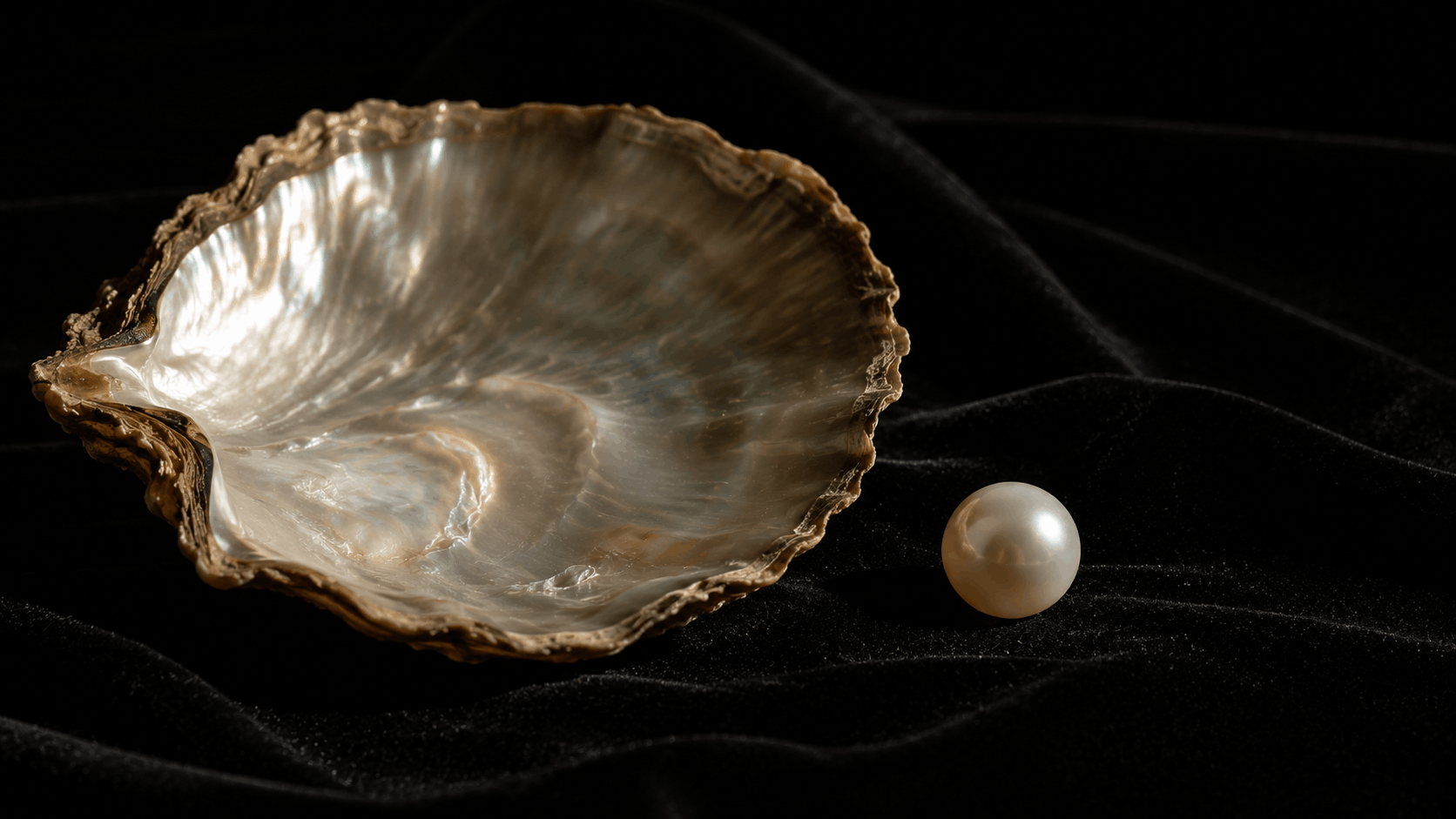
The Pinctada maxima comes in two varieties — silver-lipped and gold-lipped. Silver-lipped oysters produce white and silver South Sea pearls. Gold-lipped oysters produce the famous golden South Sea pearls that range from pale champagne to deep canary yellow. Both are genuine pearls from the same oyster family. But the color difference comes directly from the oyster itself — no treatments, no dye, completely natural.
Size — Why It Matters So Much
Size is the first thing that defines South Sea pearls in any pearl shape comparison. The typical range runs from 9mm to 20mm — significantly larger than Akoya pearls which usually top out around 9mm and freshwater pearls which rarely exceed 12mm in genuine round form. Most South Sea strands average 11mm to 14mm. And at that size the pearl has a physical presence that smaller varieties simply can’t match.
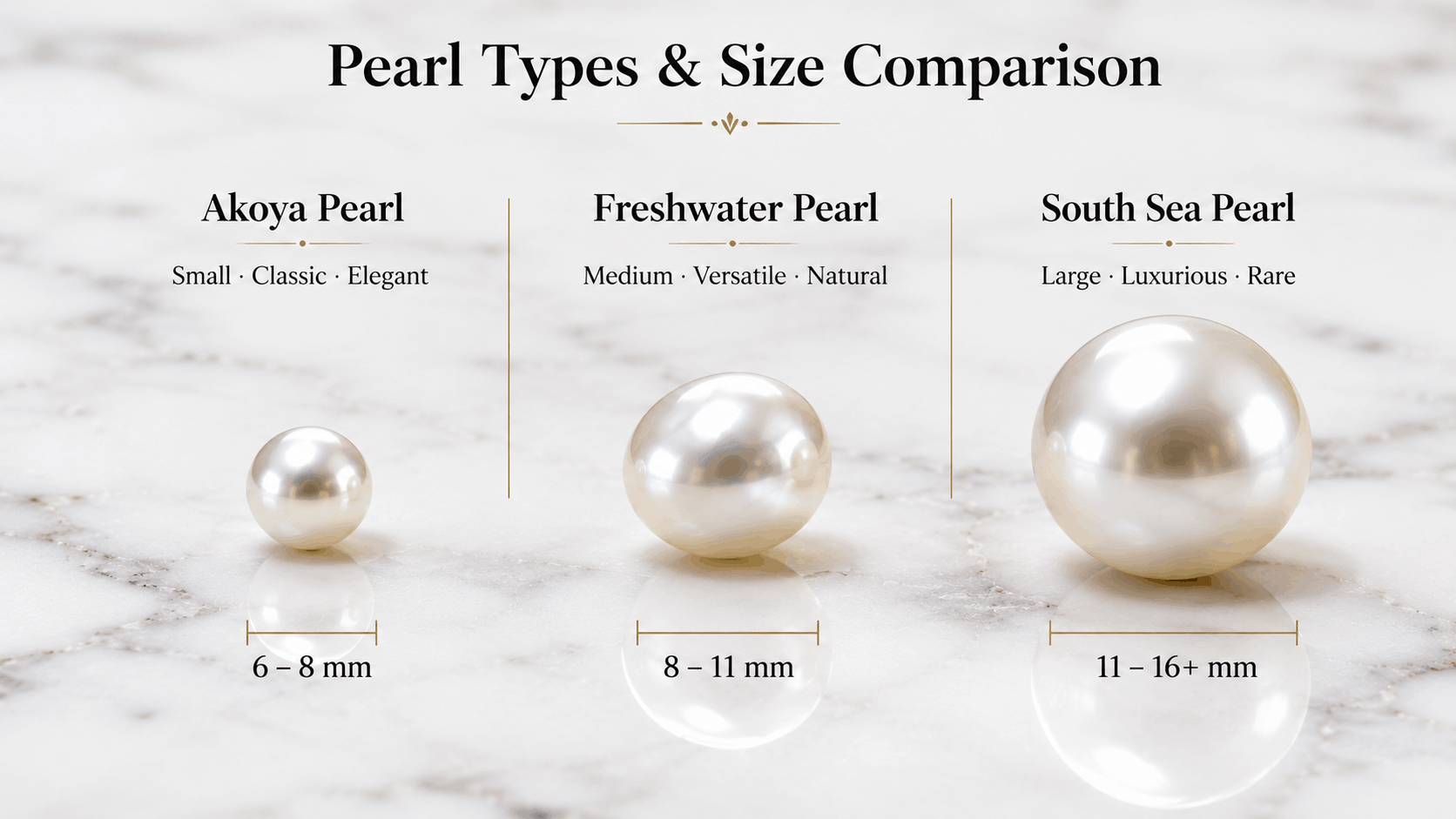
But size isn’t just about visual impact. Larger pearls also mean more nacre. South Sea pearls have the thickest nacre of any cultured pearl type — often 2mm to 6mm of solid nacre coating the nucleus. That thickness is what creates the satiny, almost three-dimensional luster that distinguishes these pearls from everything else. And it’s what makes them last. A South Sea pearl worn and cared for properly will look better in twenty years than it does today.
White South Sea Pearls — Classic and Timeless
White South Sea pearls are the classic entry point into this category. Grown in silver-lipped Pinctada maxima oysters in the waters off northern Australia primarily. The color range runs from bright white through silver and cream — and the overtones are where things get interesting. Pure white with a silver overtone is the most prized combination. But pink overtones and cream tones have their own warmth that works beautifully against certain skin tones and metal choices.
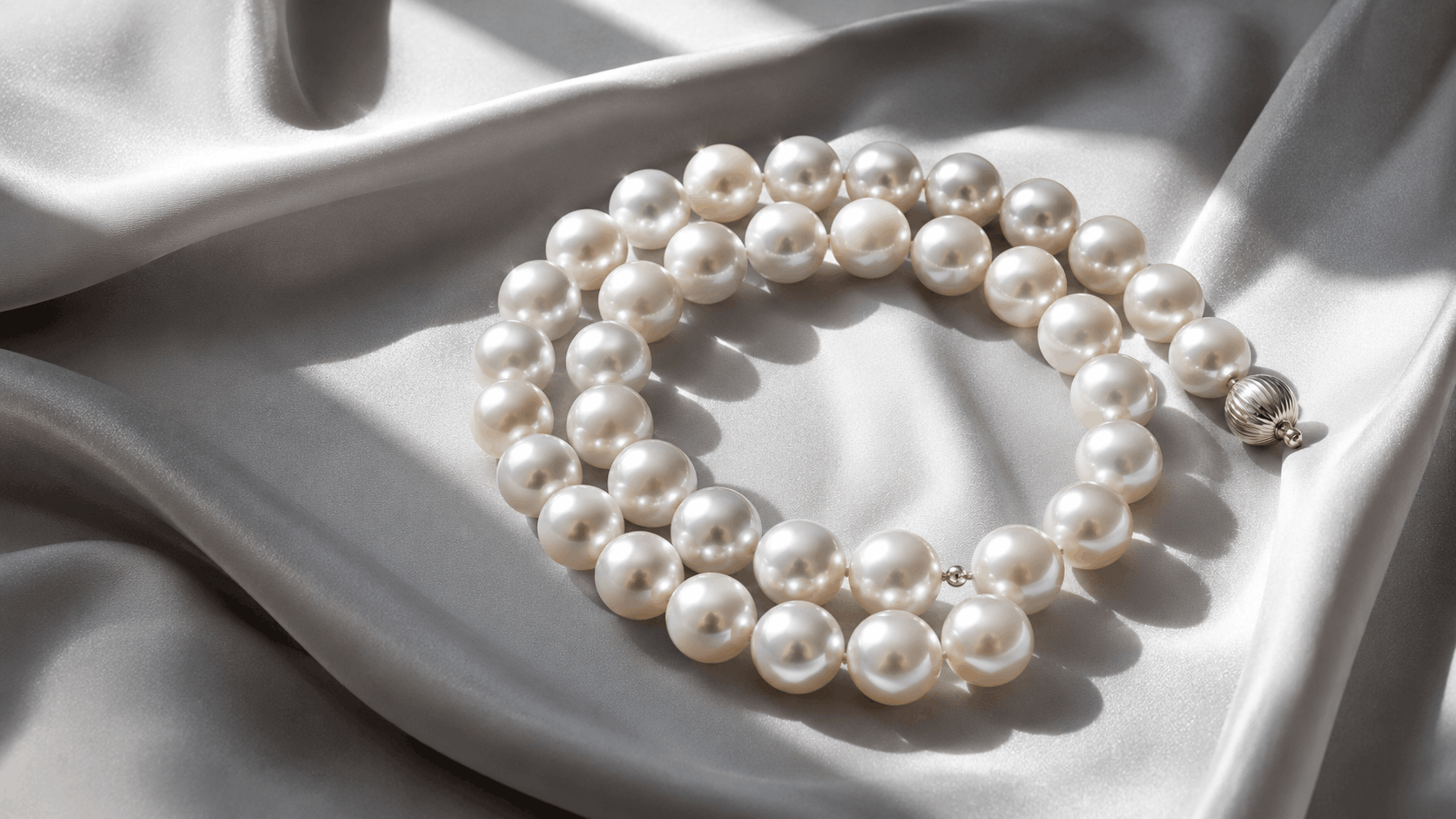
A strand of matched white South Sea pearls is genuinely one of the most elegant things in fine jewelry. The combination of size, that satiny deep luster and the classic white color creates a presence that no other pearl type quite replicates. They photograph extraordinarily well too — the large surface area catches and reflects light in a way smaller pearls simply can’t. If you’re buying one investment pearl piece in your lifetime, a white South Sea strand is a very strong answer to that question.
Golden South Sea Pearls — The Rarest Color in Pearl Jewelry
Golden South Sea pearls are something else entirely. Produced by the gold-lipped Pinctada maxima oyster — found primarily in the Philippines and Indonesia — the color range runs from pale champagne and light gold through to the deep canary and 24-karat yellow tones that represent the absolute pinnacle of the category. And critically, that golden color is completely natural. No dye. No enhancement. Just the oyster doing what only this oyster does.
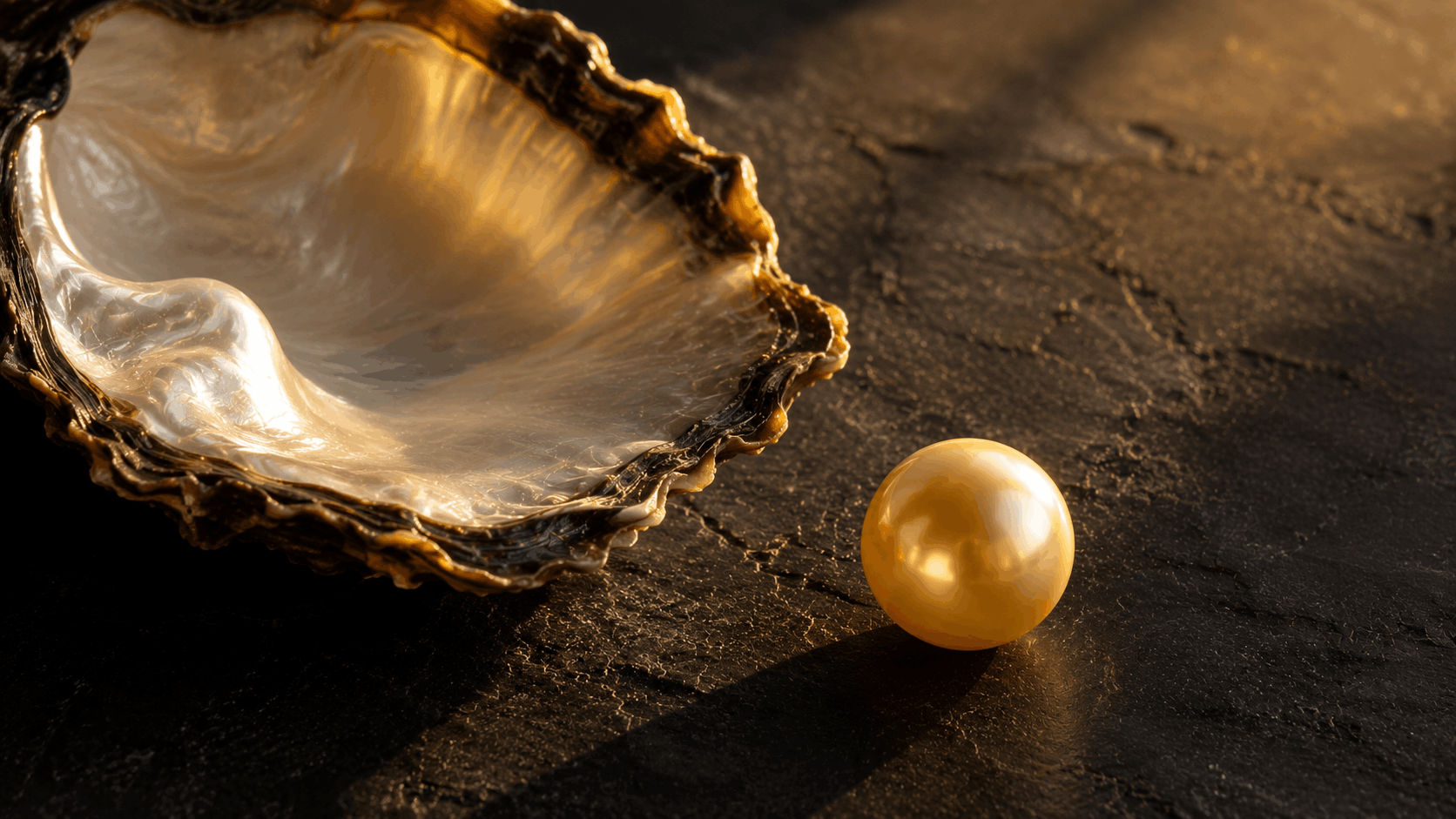
Deep golden South Sea pearls in AAA grade are genuinely among the rarest objects in fine jewelry. The combination of natural golden color, large size, thick nacre and that distinctive satiny luster is extraordinarily difficult to produce consistently. So golden pearls at the top of the grade scale command prices that reflect genuine rarity — not just brand positioning. Against yellow gold settings, a deep golden South Sea pearl creates a tonal warmth that’s unlike anything else in the jewelry world.
Quality Grades — What They Actually Mean
South Sea pearls follow the same grading framework as other cultured pearls but the stakes are higher at this price point. So understanding what you’re buying matters more here than almost anywhere else in pearl jewelry. Luster is the first and most important factor. That signature luster is described as satiny rather than mirror-like — a deep soft glow with exceptional depth. Top-grade South Sea pearls almost seem lit from within. Lower grades look good but lack that extraordinary three-dimensional quality that makes the finest pieces so memorable.
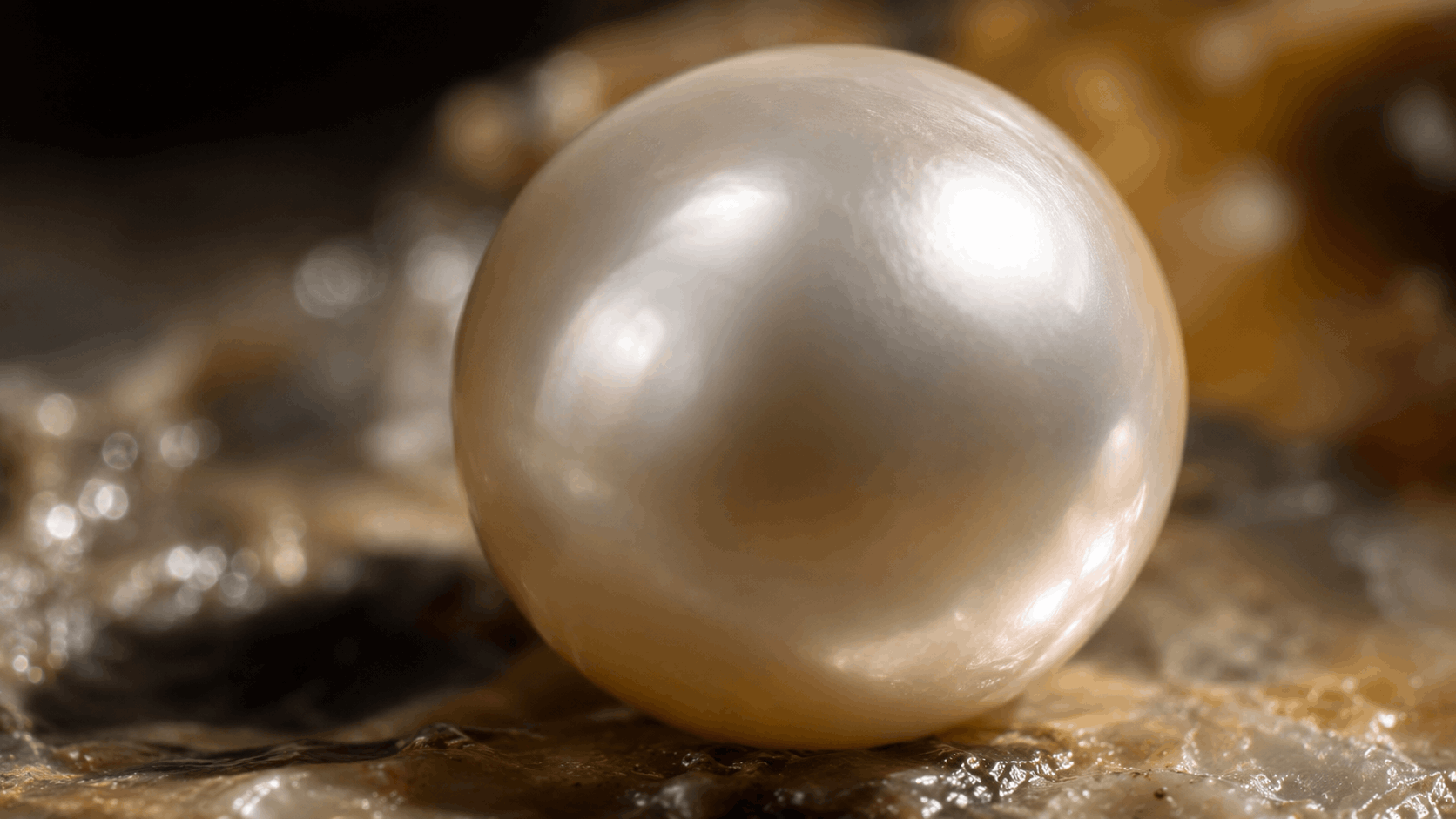
Surface quality runs from AAA — near-flawless with minimal imperfections only visible under magnification — down through AA and A grades with increasingly visible surface marks. At South Sea prices, AA is genuinely the minimum worth considering for a piece you plan to wear regularly. And shape matters too. Perfectly round South Sea pearls are the rarest and most valuable. But near-round, oval and drop shapes in high luster grades are often exceptional pieces in their own right — and significantly more accessible in price.
South Sea Pearls vs Other Pearl Types
How do these pearls sit in a broader pearl type comparison? Against Akoya pearls — Akoya offers sharper mirror-like luster and near-perfect roundness at a much lower price point. But Akoya tops out at 9mm and the nacre is significantly thinner. So for everyday elegance and classic pearl jewelry at accessible prices, Akoya is the benchmark. For investment-level size and presence, these pearls are in a completely different league.
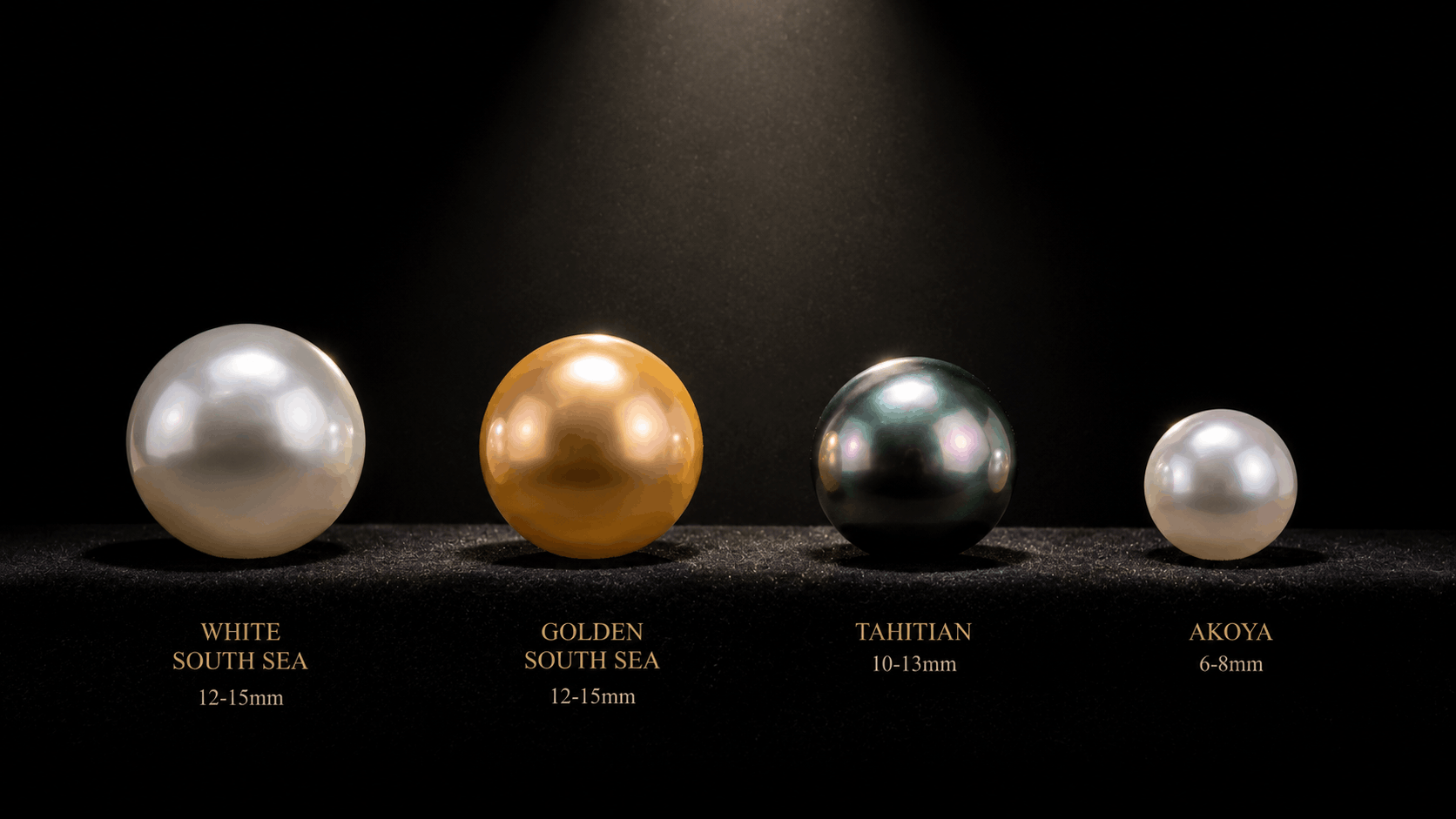
Against Tahitian pearls — Tahitian offers dramatic dark color and strong overtones that South Sea doesn’t replicate. Both are large-oyster saltwater pearls with thick nacre and exceptional luster. But the color stories are completely different. White and golden South Sea pearls are the warm, classic end of the luxury pearl spectrum. Tahitian is the dark, dramatic end. And against freshwater — freshwater offers extraordinary value and variety at accessible prices. But in terms of size, nacre thickness and that specific satiny luster, there’s genuinely no comparison.
How to Buy South Sea Pearls
At this price point, buying well matters enormously. So a few things are non-negotiable. First — always buy from a retailer who states the pearl type explicitly as Pinctada maxima South Sea. Not just “South Sea style” or “South Sea color.” The actual oyster species and growing region should be documented. Second — luster grade and surface quality should be clearly stated. AAA means something specific. Vague descriptions like “high quality” or “premium grade” without specifics are a red flag at any price point but especially at South Sea prices.
Third — certification matters. A reputable retailer backs South Sea pearl purchases with grading documentation and a meaningful return window. At PearlsOnly, every South Sea pearl piece comes with full grading documentation and a 90-day return guarantee — so you can evaluate the piece properly in real lighting conditions before fully committing. Browse the full South Sea collection and find the piece that genuinely justifies the investment — because the right South Sea pearl is one of the few things in fine jewelry that only gets more beautiful over time.
Caring for Your South Sea Pearls
South Sea pearls are robust compared to smaller pearl varieties — that thick nacre gives them real durability. But they still need basic care to stay at their best for decades. The rule that applies to all pearl jewelry applies here too: put them on last and take them off first. Perfume, hairspray and cosmetics dull nacre over time. A soft damp cloth wipe after wearing keeps the surface clean and the luster strong.
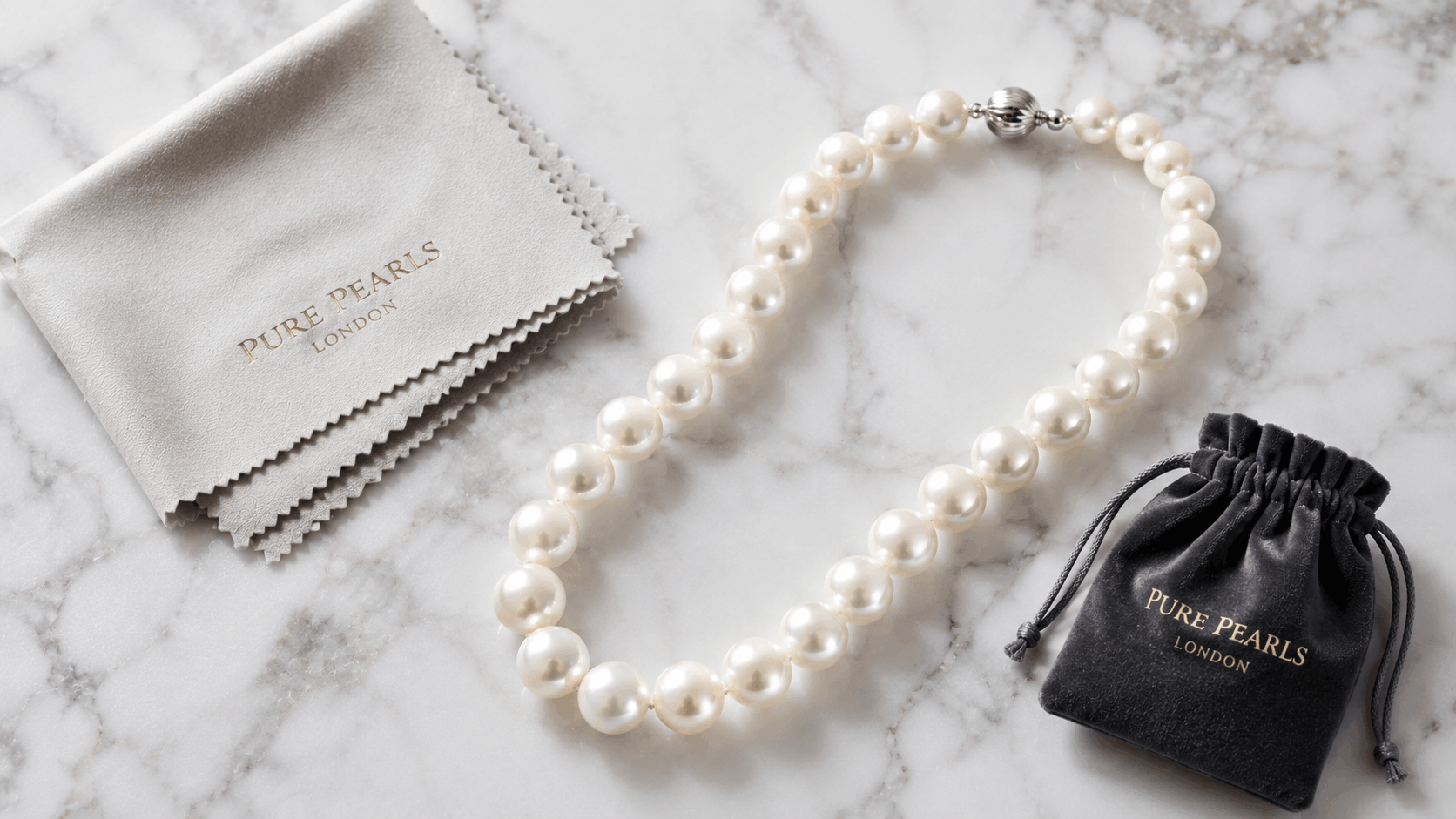
Store South Sea pearls separately from harder jewelry — diamonds and sapphires scratch nacre easily, even thick nacre. A lined box or soft pouch is all you need. And get strands restrung every few years if worn regularly. Silk thread weakens quietly over time and a broken strand of South Sea pearls is a genuinely heartbreaking situation given what’s at stake. Basic maintenance. Big returns. That’s the whole care story.
