
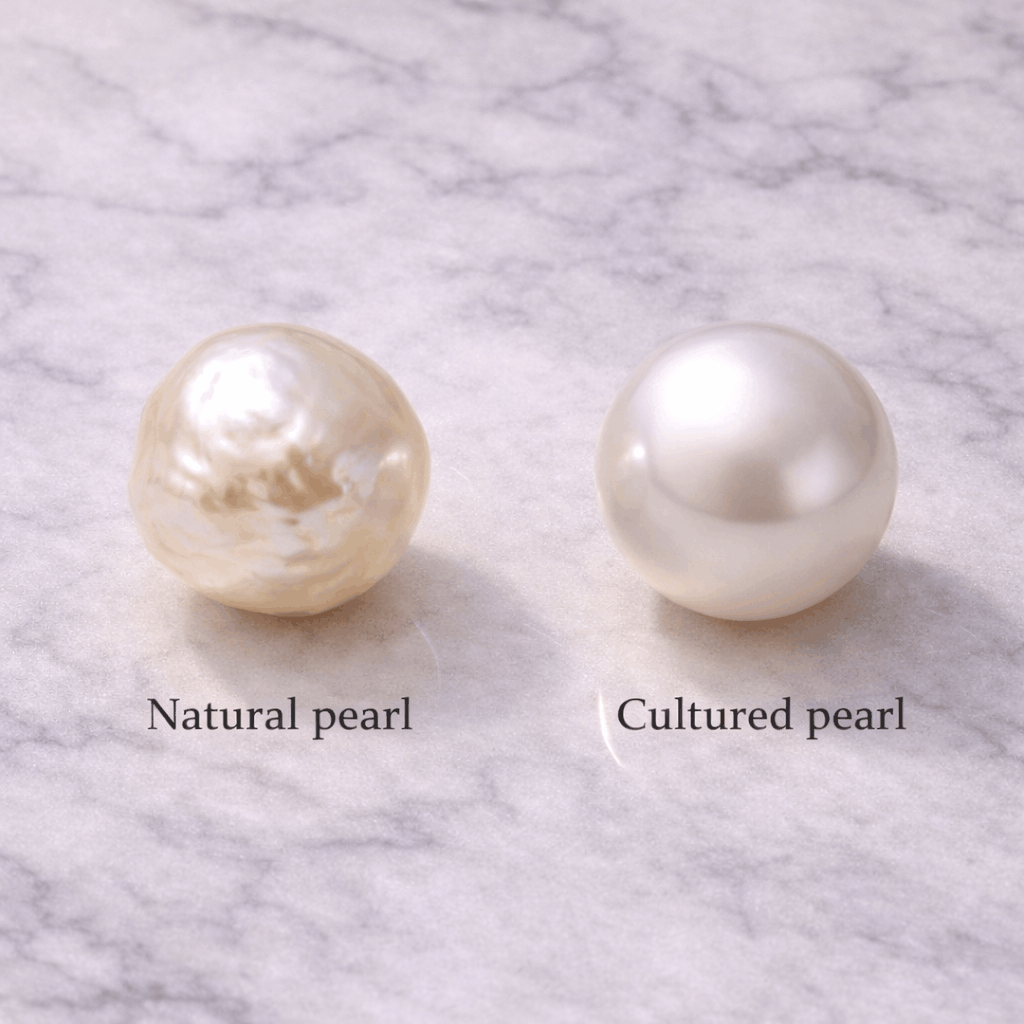
Had this conversation with my mom last month looking at her old jewelry. She pulled out this gorgeous pearl necklace from the 1950s asking if they were “real pearls.” Thought cultured pearls weren’t real. Like fake or imitation. Blew her mind when I explained cultured pearls ARE real pearls. Just formed differently. Made me realize tons of people get confused about natural vs cultured pearls. Difference isn’t fake versus real. It’s wild versus farmed basically.
Here’s what trips people up. Both are 100% real pearls made by oysters with same nacre, same luster, same everything. Only difference? How they started forming. Natural ones happen randomly in wild oysters. Meanwhile, cultured ones happen because farmers put irritant in farmed oysters. That’s it. Small difference but it affects price and availability massively. Let’s break down what actually matters when choosing between them.
What Natural vs Cultured Pearls Actually Means
Natural pearls form by total accident in wild oysters. Something gets inside—tiny parasite, shell piece, whatever. Then the oyster coats it with nacre over years creating pearl. No human involvement whatsoever. Just nature doing random stuff in ocean or river.

Incredibly rare though. You could open thousands of wild oysters and find nothing. Maybe one pearl if lucky. That’s why they cost insane amounts. Rarity is extreme. Furthermore, most natural pearl jewelry sits in museums or estate sales because they’re too valuable and scarce for regular stores.
How Cultured Pearls Work
Cultured pearls form same way as natural ones. Oyster coats irritant with nacre creating pearl. But farmers start the process intentionally. They insert small bead or tissue into farmed oyster. Then the oyster does rest coating it over months or years.

The pearl is 100% real though with same nacre as natural pearls, same luster, same beauty. Humans just started the process versus random chance. As a result, this makes cultured pearls way more available and actually affordable. You can buy them without bankrupting yourself.
Telling Natural vs Cultured Pearls Apart
Can’t tell by looking honestly. Both have same nacre coating, same luster, same surface characteristics. They look identical because they ARE identical material-wise. Formation process is same with just different starting point.

X-ray shows difference though. Natural pearls are solid nacre through and through. In contrast, cultured pearls with bead nucleus show bead inside. However, tissue-nucleated cultured pearls look similar to natural ones even on x-ray. So even experts need lab testing sometimes to confirm which type they’re examining.
Price Gap Between Natural vs Cultured Pearls
Natural pearls cost stupid amounts more. Single pearl? Tens of thousands easily. Full strand? Hundreds of thousands minimum. Sometimes millions for exceptional pieces. Rarity drives prices to levels normal people can’t touch. Consequently, they remain out of reach for most jewelry buyers today.
Cultured pearls are accessible though. Quality strand costs few hundred to few thousand depending on type. Still investment but reasonable for most budgets. Therefore, this huge gap makes cultured pearls practical choice for 99% of buyers wanting real pearls. You get authentic beauty at prices making actual sense for regular budgets.
Quality Isn’t Automatic with Natural
Natural doesn’t automatically mean better quality. Wild pearls often have wonky shapes, marks, uneven nacre throughout. Finding perfectly round natural pearl with great luster? Super rare. Why perfect ones cost fortune.

Cultured can be exceptional quality though. Modern farming produces gorgeous pearls with thick nacre, beautiful shine, minimal flaws. In fact, top cultured pearls often look better than average natural ones. So being natural doesn’t guarantee superior quality at all. Quality depends on specific pearl not origin alone.
Cultured Pearl Types You Can Buy
Freshwater cultured pearls are most affordable option. Farmed in rivers and lakes mostly in China. Beautiful colors and shapes with great value. Perfect for wanting real freshwater pearls without crazy pricing. Plus these make excellent entry point for building pearl collection.

Akoya cultured give you classic round white pearls. Saltwater pearls farmed mainly in Japan known for crazy good luster and roundness. More expensive than freshwater but still accessible versus natural. Additionally, Tahitian and South Sea are larger saltwater types with Tahitians having dark colors and South Seas being biggest and most luxurious. They cost more but still fraction of natural prices.
Environmental Impact of Natural vs Cultured Pearls
Harvesting natural pearls wrecks wild oyster populations. Have to open oysters checking for pearls with most being empty. The oyster dies anyway. This decimated populations historically. Why natural harvesting is banned or heavily restricted now in most places. Conservation efforts focus on protecting remaining wild populations.
Cultured farming is more sustainable done right. Oysters farmed specifically for pearls without harming wild populations. Plus pearl farms actually improve water quality because oysters filter water naturally. So buying cultured is more eco-friendly typically while supporting sustainable practices instead of depleting wild resources.
Investment Value of Natural vs Cultured Pearls
Natural pearls hold value crazy well. Basically antiques at this point. Rare and getting rarer every year. Own natural pearls? They’ll probably appreciate over time significantly. But initial cost is so high most people can’t even get in. The barrier to entry is simply too extreme for regular buyers.

Cultured don’t appreciate like natural ones though. Produced continuously maintaining steady supply. However, quality pieces from good sources like Japanese Akoya pearls or Tahitians hold value okay. Not investment pieces but not worthless either. Fair trade for accessibility and wearability without constant worry.
Why Cultured Dominates Market Today
Nearly all pearl jewelry sold today is cultured. Natural pearls basically unavailable for regular stores. Need specialty auctions or estate sales for those. Even then, prices prohibitive for most people. The market shifted almost entirely to cultured decades ago.
Cultured gives you real pearl beauty at sane prices. Genuine nacre creating gorgeous luster with lasting beauty. Without rarity premium attached. Therefore, for 99.9% of buyers, cultured is right choice offering real pearls that are just more accessible. Makes owning pearl jewelry realistic instead of pure fantasy.
Myths About Natural vs Cultured Pearls
Myth: Cultured aren’t real pearls. Nope. 100% real made by real oysters with real nacre. Formation identical to natural pearls. Just human-initiated versus random. The end result is genuine pearl either way.

Myth: Natural always better quality. Wrong again. Natural pearls often imperfect with weird shapes, poor shine, surface issues. Top cultured frequently outshine average natural ones. So being natural doesn’t equal automatic superiority. Quality varies widely within both categories depending on specific conditions.
Choosing Between Natural vs Cultured Pearls
Natural makes sense only for serious collectors with massive budgets. Or inheriting family pieces perhaps. Everyone else? Impractical honestly. Too rare, too expensive, too hard finding. Not realistic for regular buyers wanting pearls they’ll actually wear.
Cultured is practical for real pearl jewelry though. Beautiful and accessible with various types and prices. You can actually own and wear them without stress. Get gorgeous pearl necklaces, earrings, bracelets that are real pearls at prices that work. Perfect for building collection you’ll enjoy for years.
Understanding Documentation
Good sellers provide docs for pearls. Certificates say natural or cultured clearly. For natural pearls, cert is essential given extreme value. Labs like GIA verify authenticity providing detailed reports confirming origin and characteristics.
For cultured pearls, docs show type, origin, grade information. Less critical than natural certs but still helpful. Buy from sellers giving clear info. Transparency matters for both types. Avoid sellers refusing documentation or being vague about pearl origin.
History Worth Knowing
Cultured farming started early 1900s. Japanese researchers figured out oyster nucleation reliably. Revolutionized entire industry. Made pearls accessible to regular people instead of just wealthy elite. Changed jewelry world completely.
Before that? Only natural pearls existed. Kings and queens wore them exclusively. Regular people? Couldn’t afford them at all. Pearl farming democratized pearls entirely. Now anyone can own real ones. That’s actually beautiful thinking about it. Real luxury becoming accessible through innovation and dedication.
Care Is Same Both Types
Natural and cultured need identical care. Both nacre making both delicate. Wipe with soft cloth after wearing. Store separate from harder jewelry. Avoid chemicals, perfumes, hairspray completely. Put pearls on last and take off first. Simple routine protects investment.

Formation difference doesn’t change maintenance requirements. Treat all real pearls gently regardless of type. Whether natural or cultured doesn’t matter for care. Proper handling keeps them gorgeous for decades or even generations. The beauty lasts when you handle them right.
Making Your Decision
For most reading this? Cultured is answer. Real pearls that are beautiful and affordable. Actually available for purchase. You get authentic pearl jewelry you wear and enjoy daily. No worrying about extreme value or rarity constantly. Just beautiful pieces enhancing your style.
Natural pearls are museum pieces or collector items. Appreciate their history and rarity certainly. But don’t feel like settling choosing cultured. You’re choosing beautiful real pearls making sense for normal life and budgets. That’s smart decision-making. Not settling at all. Getting gorgeous jewelry you’ll actually wear instead of locking away scared to touch it.
