
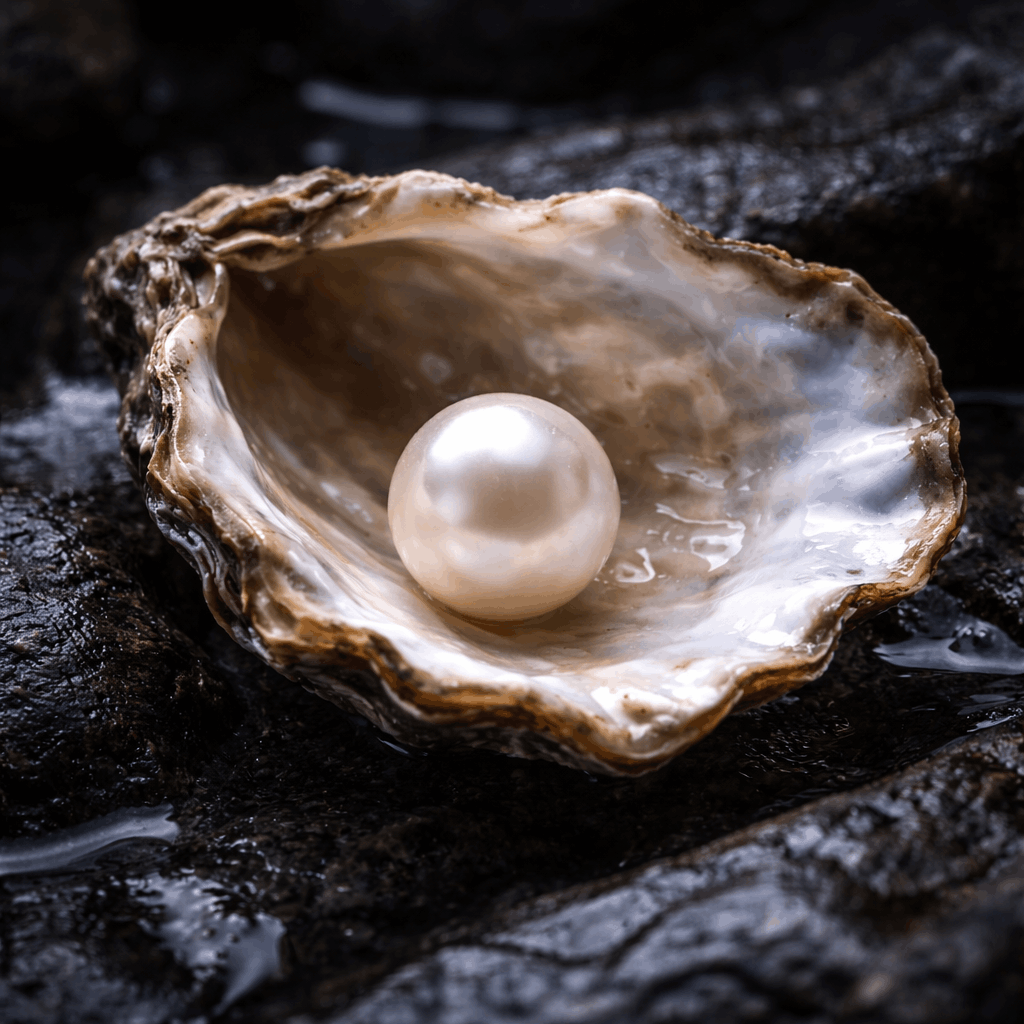
Let’s be real for a second. The jewelry industry looks gorgeous on the surface but dig even slightly deeper and things get complicated fast. Most gemstones — diamonds sapphires emeralds — start their journey with destruction. Excavation. Blasting. Heavy machinery tearing into ecosystems that took centuries to develop. So when conscious shoppers started demanding a cleaner option the answer wasn’t some new lab invention. It was already there. Quietly growing inside oysters and freshwater mussels around the world. Pearls are nature’s sustainable gem and honestly the more you learn about how they form the more that label makes perfect sense. This guide breaks down exactly why.
Why Pearls Earn the Title of Nature’s Sustainable Gem
Think about what mining a diamond actually requires. Workers strip the land, drill deep shafts, run heavy diesel equipment for years and then process enormous volumes of earth just to find a handful of stones. The surrounding habitat disappears. Chemicals compromise the water table. And the land never recovers on any human timeline. Pearls though? They grow inside a living creature that needs a clean healthy environment to thrive. No drilling. No blasting. No excavation at all. That’s why pearls genuinely earn the title of nature’s sustainable gem rather than just wearing it as a marketing label.
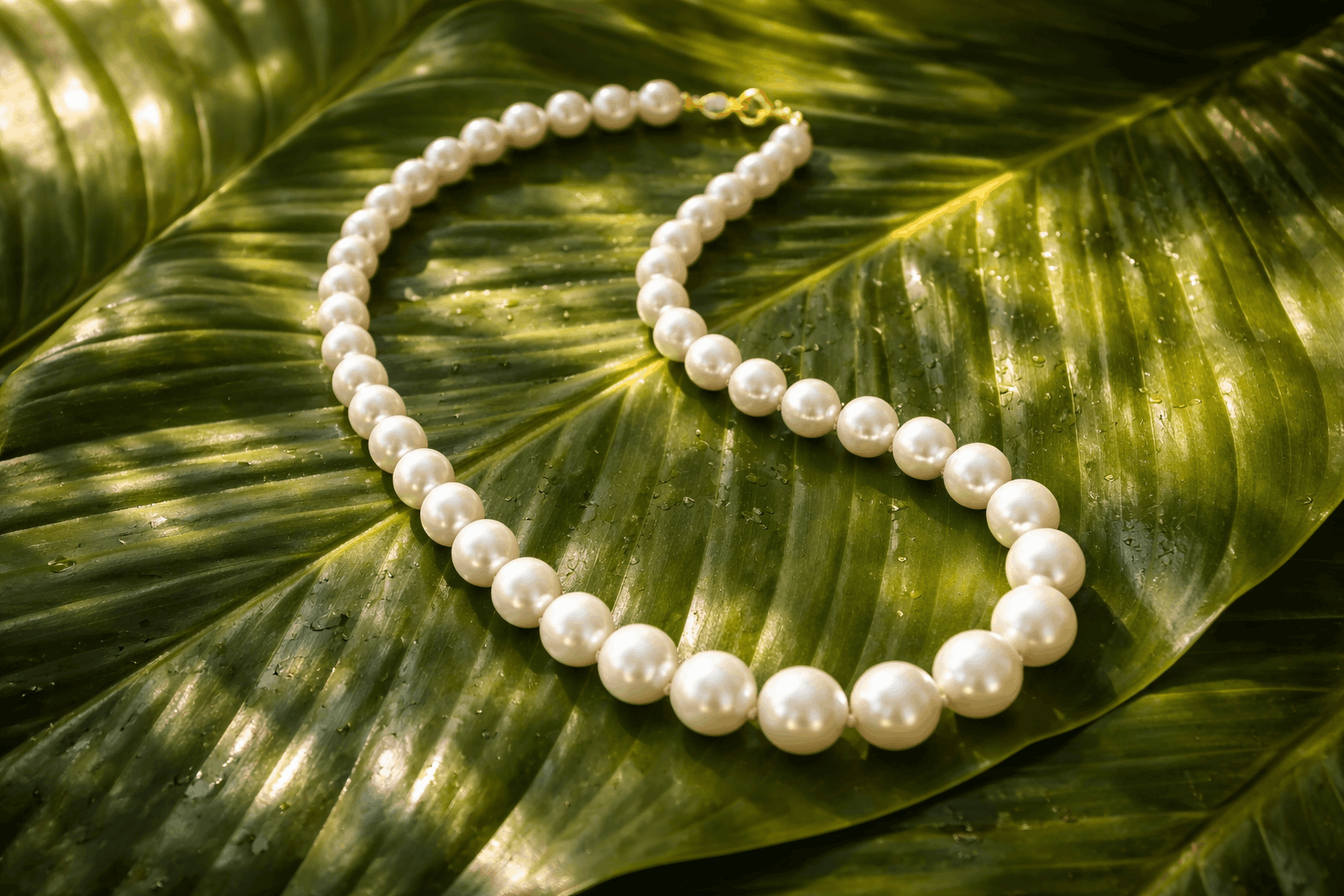
Plus the process renews itself in a way mining simply never can. After harvest the mollusk often keeps living and producing. The farm keeps operating without depleting any non-renewable resource. So every pearl you buy comes from a system built to keep going — not one racing toward exhaustion like every mine eventually does.
What Pearl Farming Actually Does to the Environment
Here’s where it gets genuinely interesting. Pearl oysters naturally filter water — they pull it through their bodies, extract nutrients and in doing so clean the surrounding environment as part of their daily life. So a well-run pearl farm doesn’t just avoid environmental damage — it actively improves local water quality over time. That’s almost unheard of in any form of commercial production.
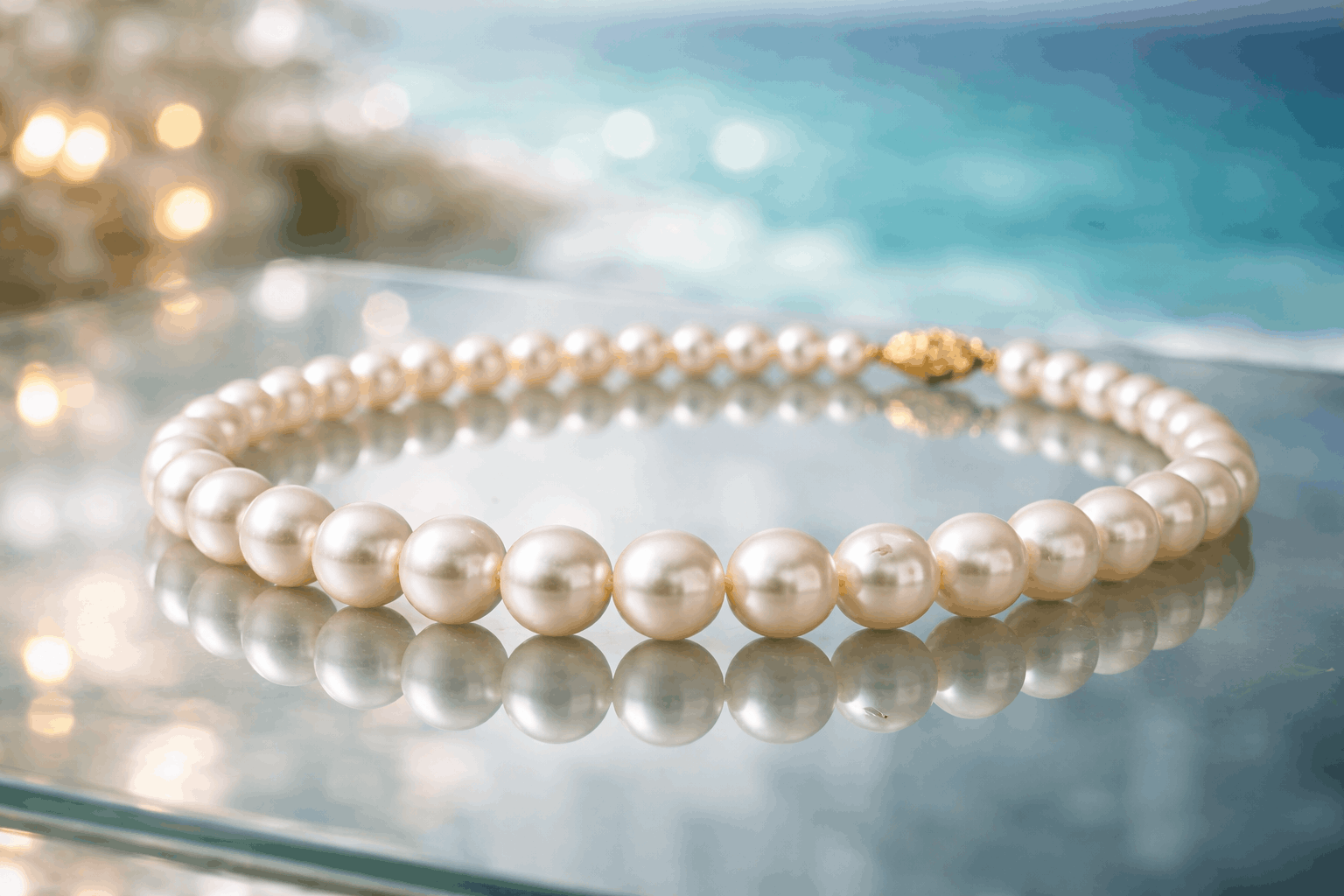
Sustainable South Sea pearl farms sit in some of the most pristine ocean environments on earth and farmers work hard to keep them that way. Clean water produces better nacre. Better nacre creates higher quality pearls. Higher quality pearls drive better business. So sustainability and profit pull in the same direction here which makes the whole system surprisingly self-reinforcing. Freshwater farming works similarly — mussels filter huge volumes of lake and river water naturally and responsible farms skip chemical inputs entirely relying on natural processes instead.
Nature’s Sustainable Gem vs Mined Stones
When you line up the environmental footprint of pearls against mined gemstones the difference is hard to argue with. Diamond mining displaces communities, contaminates groundwater for generations and leaves landscapes that never fully bounce back. Even operations that market themselves as “ethical” still carry enormous environmental costs simply because extraction at industrial scale demands it. There’s really no clean version of that story no matter how anyone frames it.
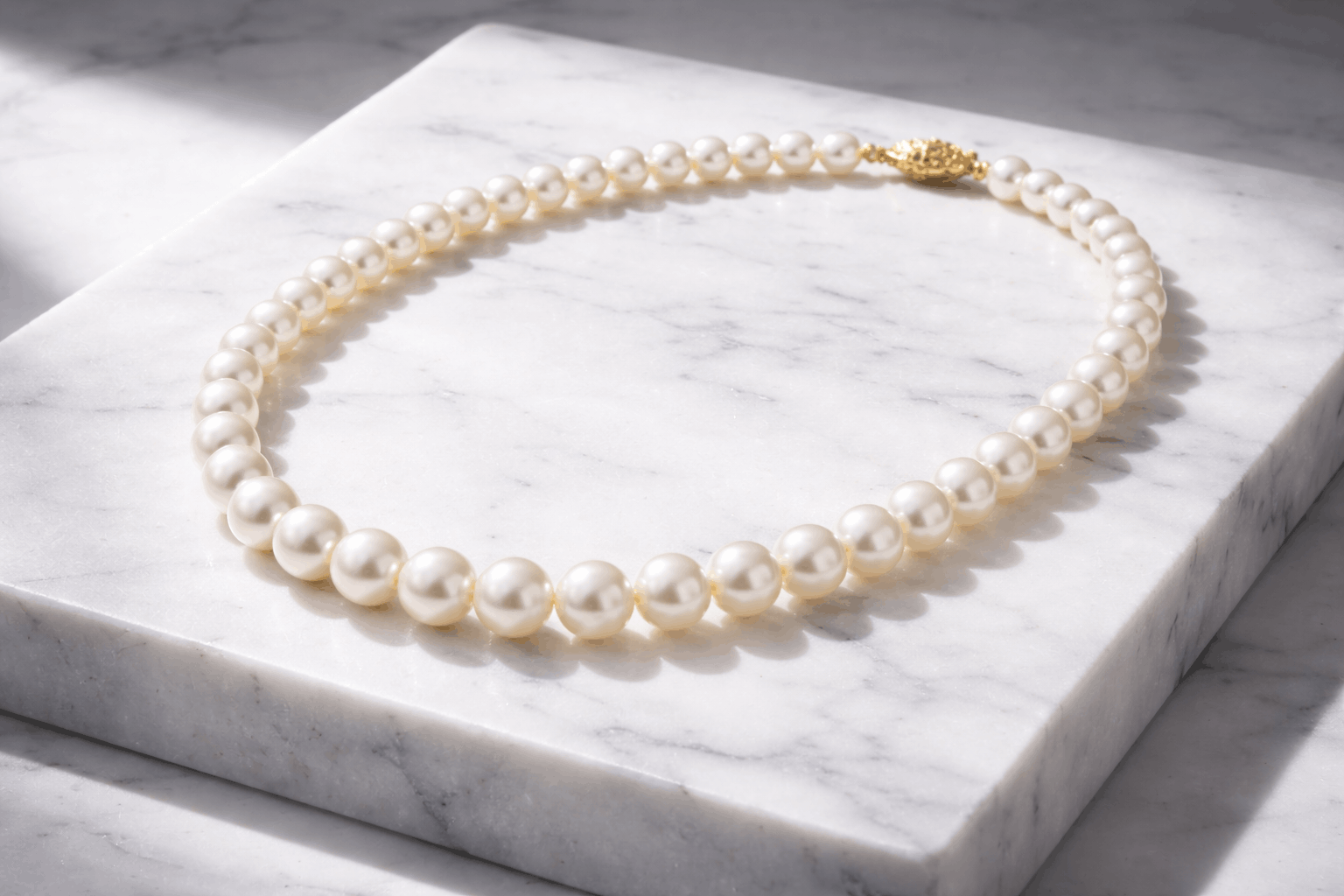
A Japanese Akoya pearl grown patiently over two to three years in a clean coastal bay carries a carbon footprint that simply doesn’t compare to any mined gemstone — especially when you factor in extraction processing transport and energy use together. So if someone asks which luxury gem is actually green — pearls aren’t just the best answer. They’re basically the only answer that holds up to real scrutiny.
The People Behind Nature’s Sustainable Gem
Sustainability isn’t purely an environmental conversation — it’s a human one too. And honestly this is where pearls really shine beyond their ecological credentials. Pearl farming roots itself deeply in local communities in a way large-scale mining almost never manages. Across Indonesia, French Polynesia, Japan and China’s freshwater farming regions pearl cultivation supports real livelihoods — often in coastal communities where other stable income sources stay genuinely scarce.
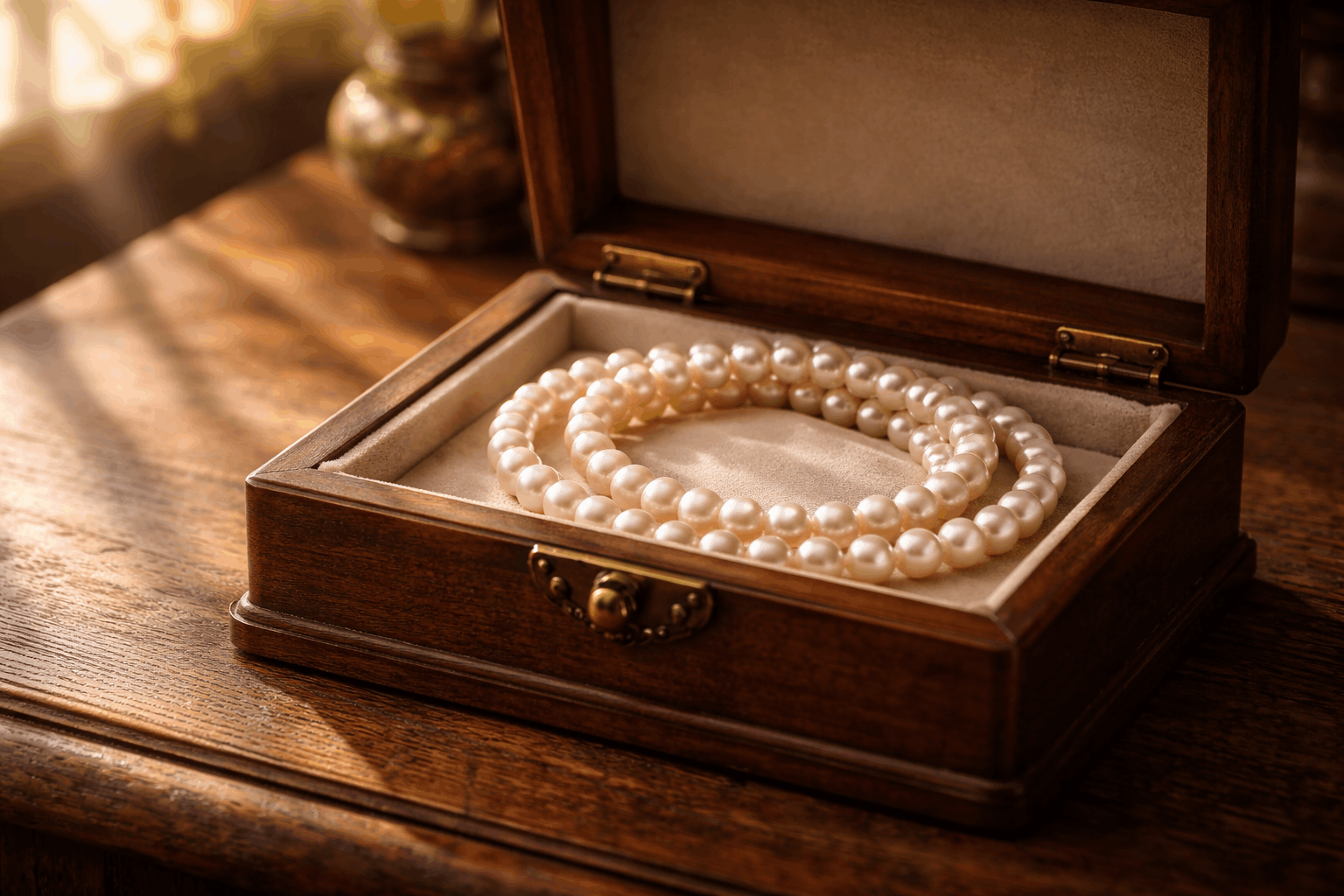
Unlike mining which typically drops outside corporations into a region to extract wealth and move on pearl farming builds generational expertise in place. Families pass down knowledge of tides water quality grafting technique and harvest timing across decades. That slow accumulation of skill creates genuine community resilience rather than the boom-and-bust pattern that extractive industries so reliably leave behind. So when you choose freshwater pearls or responsibly farmed South Sea varieties your money flows directly into that local economy — not toward a distant corporate structure that was never really part of the community to begin with.
How Pearls Actually Form
Understanding the formation process makes the sustainability story click even more clearly. A skilled technician carefully inserts a tiny piece of tissue or a small bead nucleus into a mollusk. Then the mollusk responds by wrapping nacre — the same luminous crystalline substance lining its shell — around that irritant slowly and steadily. Over months or years those layers build into a pearl. No chemicals. No synthetic inputs. Just pure biology doing exactly what nature designed it to do.
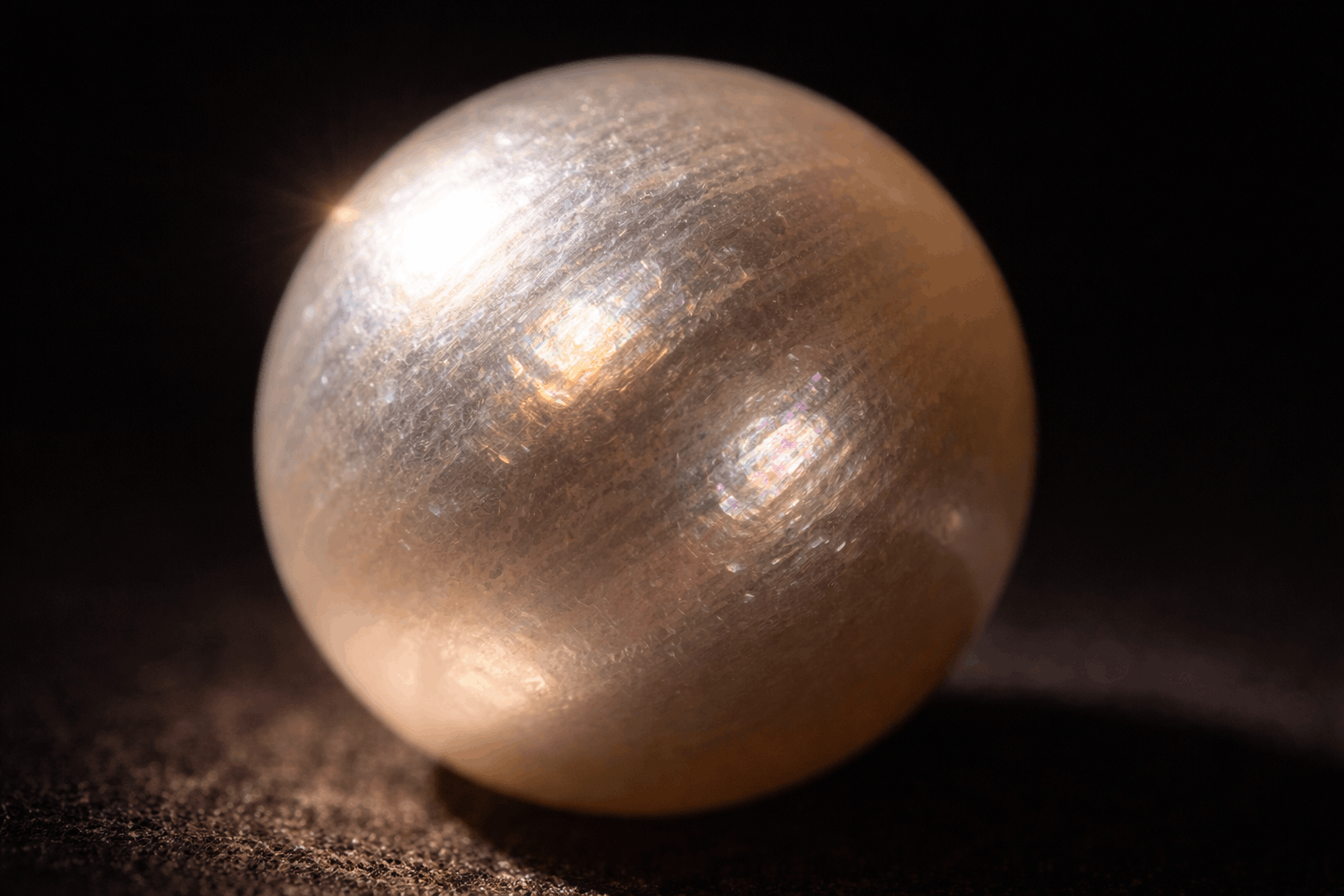
That nacre layering also creates the signature pearl glow — that deep luminous shine that seems to radiate from inside the pearl rather than just bouncing off its surface. And because the whole process stays organic and natural no two pearls come out identical. Different overtones different surface character different personality. So beyond earning the title of nature’s sustainable gem each pearl also arrives genuinely one of a kind — something factory-cut stones simply can’t offer.
Pearls and the Rise of Conscious Luxury
The luxury market is shifting fast and honestly it’s about time. Younger buyers in particular are done with the idea that expensive products deserve a free pass on ethics and environmental impact. They want to know where things come from how people made them and whether the workers involved got fair treatment. Pearls answer all of those questions well — better than almost any other luxury material on the market right now.
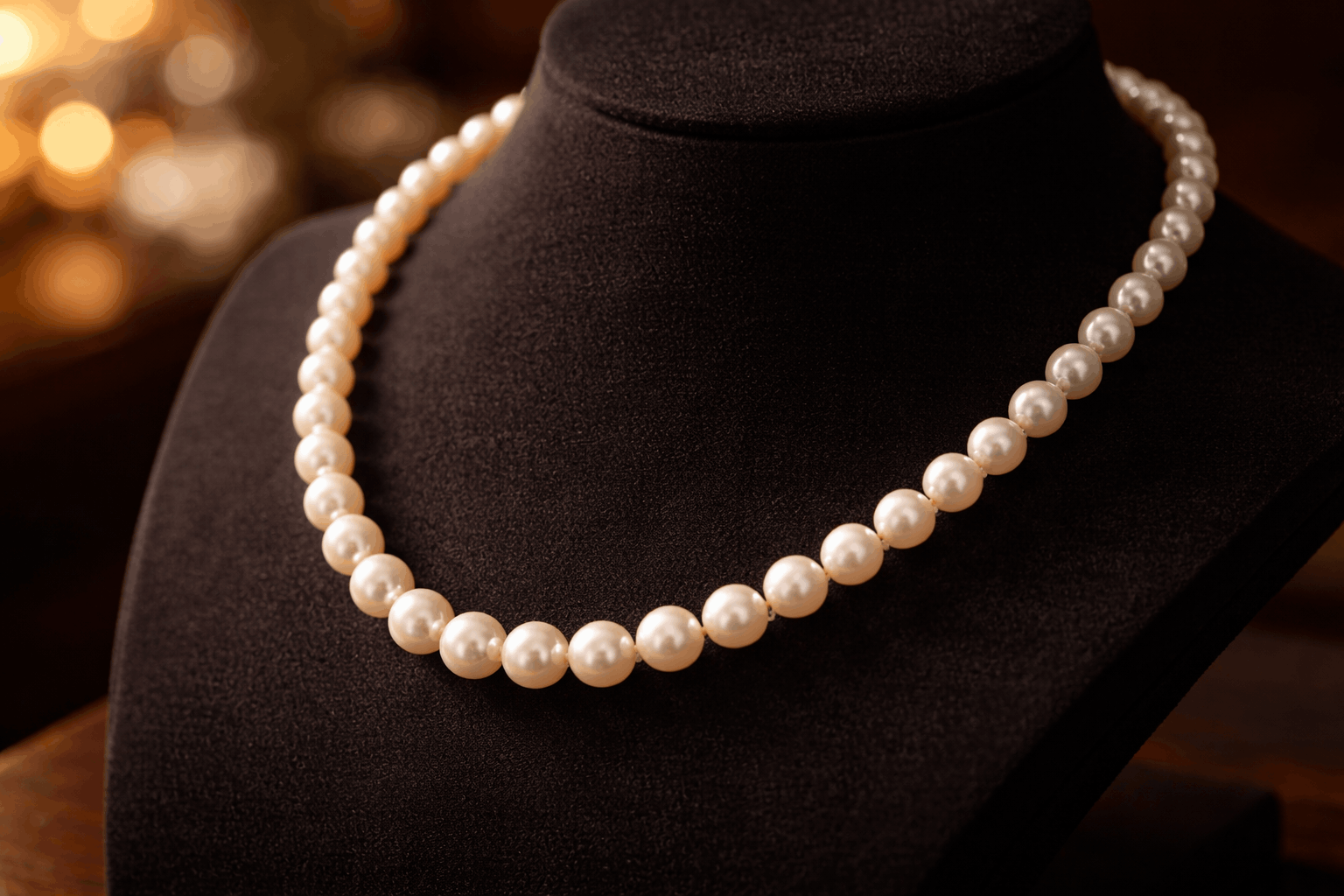
Wearing a pearl necklace in 2026 carries meaning that goes well beyond style. It signals that you thought carefully about your purchase — that you chose beauty without compromise. That conscious dimension is something more buyers actively seek out now and pearls sit in a genuinely strong position to meet that demand in a way that feels authentic rather than performative.
Nature’s Sustainable Gem: Where Pearl Farming Is Headed
Pearl farming technology keeps advancing and the trajectory looks genuinely exciting. Bead-nucleated Edison pearls now reach sizes previously only South Sea varieties could achieve. New culturing methods improve both yield and quality while simultaneously cutting waste. And beyond the pearls themselves farms increasingly invest in marine biodiversity monitoring and water quality programs that benefit entire regional ecosystems — not just their own operation.
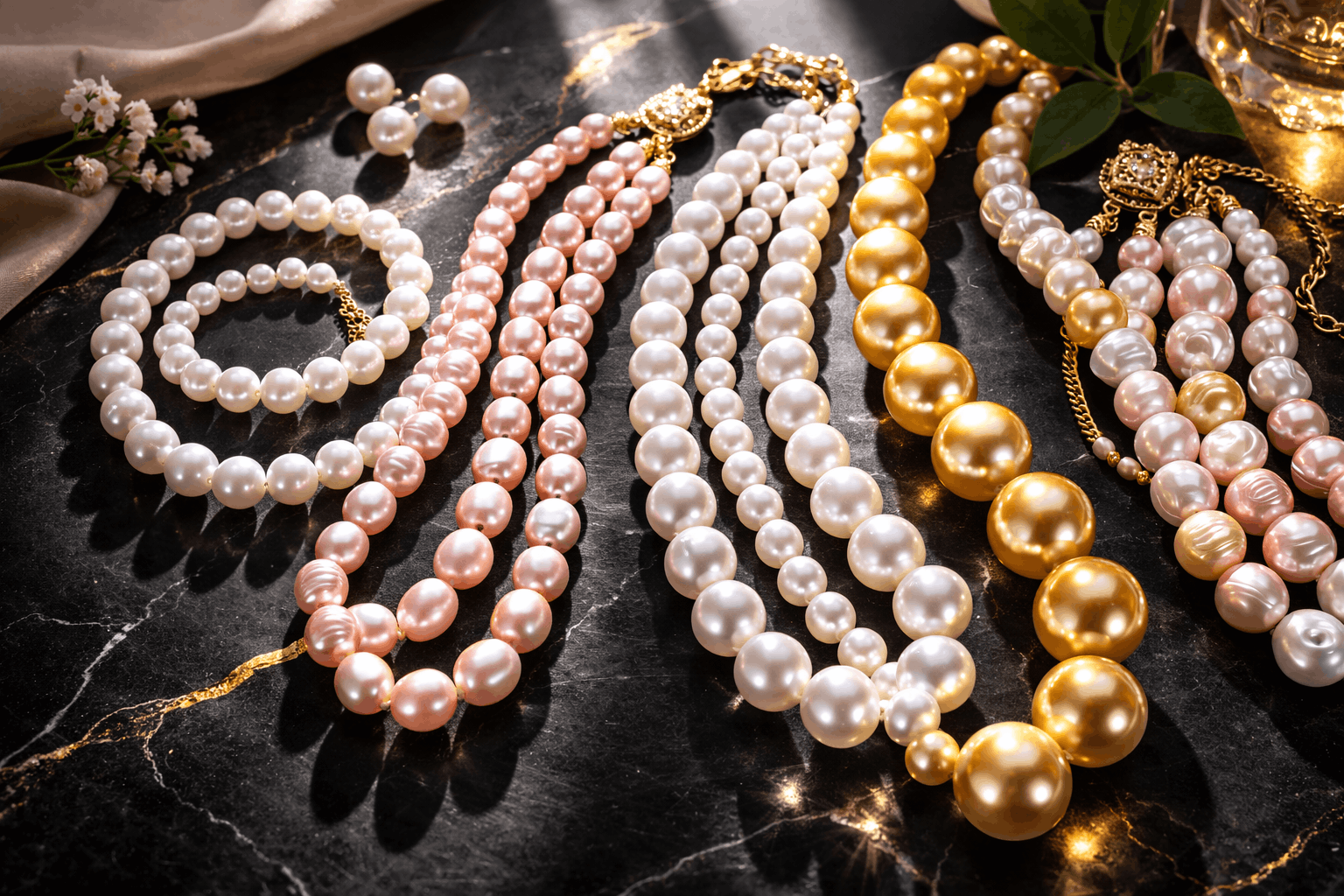
As sustainability standards tighten across the global luxury sector pearls arguably hold the strongest position of any gemstone for what comes next. Nature’s sustainable gem isn’t a nostalgic idea or a niche preference anymore — it’s a scientifically grounded environmentally coherent choice backed by real community impact and a production process that genuinely works with the natural world. No mined gemstone can build on that foundation. And as conscious consumption keeps growing pearls will only grow more relevant — not less.
